
August 26, 2026 · laparoscopic surgery
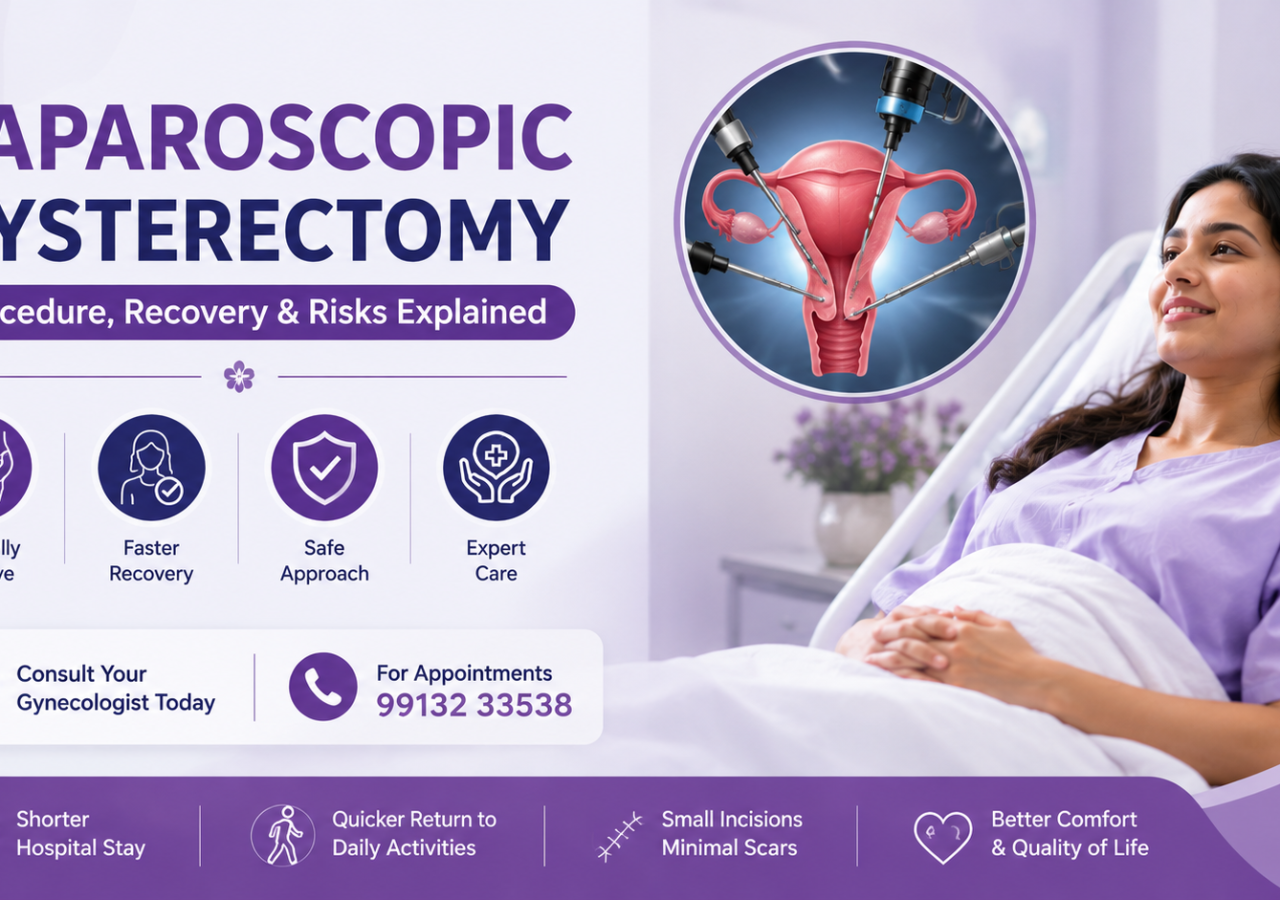
Laparoscopic hysterectomy is a minimally invasive surgical procedure used to remove the uterus through small abdominal incisions. It may be recommended for conditions such as symptomatic fibroids, adenomyosis, endometriosis, persistent abnormal uterine bleeding, uterine prolapse and selected gynecological cancers. Understanding the procedure, preparation, recovery and potential risks can help patients have a more informed discussion with their gynecologist.
What Is a Laparoscopic Hysterectomy?
A hysterectomy involves surgical removal of the uterus. Depending on the diagnosis and planned procedure, the cervix, fallopian tubes or ovaries may also be removed. During laparoscopic hysterectomy, a small camera and specialised instruments are introduced through small abdominal incisions, allowing the surgeon to view the pelvic organs on a monitor.
Compared with an open abdominal hysterectomy, the laparoscopic approach generally involves smaller incisions. However, minimally invasive surgery is not suitable for every patient. Uterine size, pelvic anatomy, previous abdominal operations, adhesions, underlying disease and overall health all influence the surgical decision.
When May Hysterectomy Be Recommended?
Hysterectomy may be considered when symptoms are significant, other treatments have not provided adequate improvement, or surgery is clinically indicated.
Common indications can include symptomatic fibroids, adenomyosis, endometriosis, persistent abnormal uterine bleeding, uterine prolapse and selected cancers.
Depending on the diagnosis, alternatives may include medicines, hormonal treatment, uterine-sparing procedures or observation. A specialist assessment is therefore important before deciding on surgery.
Laparoscopic Surgery for Uterus: Understanding the Approach
The term laparoscopic surgery for uterus describes minimally invasive procedures performed through small abdominal openings to diagnose or treat conditions involving the uterus and surrounding pelvic structures.
For appropriately selected patients, this approach allows the surgeon to use a magnified camera view while working through small incisions. Depending on the condition, laparoscopic techniques can be used for hysterectomy, fibroid surgery, ovarian cyst procedures and treatment of selected endometriosis cases.
Laparoscopic Surgery in Gujarat
Patients searching for laparoscopic surgery in Gujarat should assess more than the surgical technique itself. The quality of preoperative evaluation, surgical expertise, anaesthesia support, operating-room infrastructure and postoperative monitoring are all relevant.
Harsh Hospital in Himatnagar provides women’s healthcare and laparoscopic gynecological services. Its published information includes minimally invasive procedures such as hysterectomy and other gynecological laparoscopic treatments.
Patients considering laparoscopic surgery in Gujarat should receive an individual assessment before selecting a particular procedure or hospital.
Types of Laparoscopic Hysterectomy
The type of hysterectomy depends on the patient’s condition and the organs that need to be removed.
A total hysterectomy removes the uterus and cervix. A subtotal or supracervical hysterectomy removes the uterus while retaining the cervix in selected circumstances.
Total Laparoscopic Hysterectomy
A total laparoscopic hysterectomy removes both the uterus and cervix using laparoscopic techniques. The fallopian tubes and ovaries may be preserved or removed depending on the patient’s diagnosis, age, ovarian health and cancer risk.
The term “total” refers specifically to removal of the uterus and cervix. It does not automatically mean removal of the ovaries.
During surgery, careful attention is given to nearby structures such as the bladder, ureters, bowel and pelvic blood vessels.
How Is the Procedure Performed?
Before surgery, the patient generally undergoes clinical evaluation and pre-anaesthetic assessment. Previous medical records, imaging, medications, allergies and relevant medical conditions are reviewed.
During laparoscopic hysterectomy, general anaesthesia is administered. Small abdominal incisions are created for the camera and surgical instruments. Carbon dioxide is commonly used to create sufficient working space within the abdomen.
The surgeon identifies the uterus and surrounding structures and carefully controls relevant blood vessels and supporting tissues. Depending on the surgical plan, the cervix, fallopian tubes or ovaries may also be addressed.
The uterus is then removed through an appropriate route. The operative area is inspected for bleeding or other concerns before the small abdominal incisions are closed.
When Can the Surgical Approach Change?
A laparoscopic operation may sometimes need to be converted to open surgery. Difficult anatomy, dense adhesions, unexpected bleeding, extensive disease or other operative findings can make conversion necessary.
This should be understood as a safety decision rather than a treatment failure. The primary objective is to complete the operation safely.
Benefits of the Laparoscopic Approach
When clinically appropriate, laparoscopic hysterectomy can provide advantages associated with minimally invasive surgery. Smaller abdominal incisions generally mean less abdominal wall disruption compared with an open operation.
Potential advantages include:
- Smaller abdominal incisions and scars
- Less abdominal wall disruption
- Earlier mobilisation in many suitable patients
- Potentially shorter hospitalisation and earlier return to routine activities
These benefits are not guaranteed for every patient. The actual outcome depends on the diagnosis, complexity of surgery, operative findings and general health.
Recovery After Laparoscopic Hysterectomy
The recovery time after laparoscopic hysterectomy varies according to the type of operation, underlying condition, operative findings and individual health.
After surgery, patients are monitored while recovering from anaesthesia. Pain relief is provided, and oral fluids and food are introduced according to the patient’s condition. Gentle movement is generally encouraged when clinically appropriate.
Temporary abdominal soreness, incision tenderness, tiredness, bloating or mild vaginal discharge may occur during recovery.
The NHS explains that recovery differs according to the type of hysterectomy and individual circumstances. Its guidance provides information about returning to normal activities following hysterectomy. NHM – Maternal Health
Recovery at Home
After discharge, patients should follow the specific instructions provided by their surgical team.
General recovery measures include:
- Keep incision sites clean and follow dressing instructions.
- Take prescribed medicines according to the treatment plan.
- Walk regularly but increase activity gradually.
- Avoid heavy lifting and strenuous exercise until medically cleared.
The expected recovery time should be discussed with the treating surgeon because individual healing varies.
Returning to Normal Activities
The return to driving, work, exercise and sexual activity depends on the operation and individual recovery. Patients should follow the treating surgeon’s instructions rather than comparing their progress with another person’s recovery.
Increasing abdominal pain, heavy bleeding, fever, wound redness, discharge or other unexpected symptoms should be reported to the medical team.
Possible Risks and Complications
Like other major operations, laparoscopic hysterectomy carries potential risks. These may include bleeding, infection, blood clots, anaesthesia-related complications and injury to nearby organs.
Structures potentially affected include the bladder, ureters or bowel. The likelihood of complications can be influenced by previous surgery, adhesions, endometriosis, uterine size and other medical conditions.
Conversion to open surgery may occasionally be required when laparoscopic completion is considered unsafe.
Symptoms That Require Medical Review
Patients should contact their treating team if they develop unexpected or worsening symptoms after surgery.
Severe abdominal pain, persistent fever, heavy bleeding, wound problems, difficulty passing urine, chest pain, breathing difficulty or significant deterioration require appropriate medical assessment.
What Happens Before Surgery?
Preoperative evaluation helps determine whether laparoscopic hysterectomy is appropriate. Assessment may include a pelvic examination, ultrasound or other imaging, blood investigations and review of previous medical records.
Patients should inform their healthcare team about all regular medicines, allergies, previous operations and significant medical conditions.
Questions to Discuss With Your Gynecologist
Before surgery, patients may wish to understand why hysterectomy has been recommended, whether alternatives are available, which organs are planned for removal and what the expected recovery may involve.
It is also appropriate to discuss possible complications, restrictions after surgery and the circumstances in which additional treatment may become necessary.
Laparoscopic Surgery Services at Harsh Hospital
Harsh Hospital provides laparoscopic surgery services for selected gynecological conditions. Its published treatment information includes laparoscopic hysterectomy, fibroid-related procedures, ovarian cyst surgery and other minimally invasive gynecological treatments.
Patients seeking laparoscopic surgery services should first undergo appropriate consultation so that the diagnosis, available alternatives and suitability for minimally invasive surgery can be discussed.
The choice of surgery should be based on clinical need rather than simply on the desire for smaller incisions.
Choosing a Surgical Hospital in Himatnagar
When selecting a facility for gynecological surgery, patients should consider the complete treatment pathway from diagnosis and preoperative assessment to surgery and postoperative follow-up.
A surgical hospital in Himatnagar should have appropriate surgical facilities, anaesthesia support, trained healthcare professionals and postoperative monitoring.
Harsh Hospital serves patients from Himatnagar and surrounding areas of Sabarkantha. Patients should discuss their individual diagnosis and treatment requirements before deciding where surgery should be performed.
Patients from nearby regions may also explore laparoscopic surgery near Paloda when considering access to minimally invasive gynecological services.
Patients searching for a laparoscopic surgeon near Partapur should consider qualifications, relevant experience, hospital support and continuity of postoperative care.
Understanding Laparoscopic Surgery Cost
The cost of laparoscopic hysterectomy varies according to the complexity of the operation and the services required.
Factors may include consultation, diagnostic investigations, surgeon and anaesthesia charges, operating-room expenses, medicines, surgical consumables and hospital stay.
A laparoscopic surgery cost guide can help patients understand the factors that may influence a surgical estimate. However, an online guide cannot replace an individual quotation based on diagnosis and treatment requirements.
Insurance coverage and cashless eligibility may also influence the patient’s financial responsibility. Patients should confirm applicable insurance terms before planned admission.
About Harsh Hospital
Harsh Hospital is a women’s healthcare and maternity hospital in Himatnagar, Gujarat. The hospital provides gynecology, obstetrics, maternity, preventive healthcare and advanced laparoscopic services.
The hospital’s published information identifies Dr. Hitesh A. Patel as a Gynecologist, Obstetrician and Advanced Laparoscopic Surgeon. Patients considering laparoscopic hysterectomy can undergo specialist consultation to discuss diagnosis, treatment options and expected recovery.
Discuss Your Treatment Options
If your gynecologist has recommended laparoscopic hysterectomy, a specialist consultation can help you understand why surgery is being considered, whether a minimally invasive approach is appropriate, which organs may be removed and what recovery may involve.
Patients can contact Harsh Hospital to discuss their reports and treatment options with a qualified gynecology team.
Frequently Asked Questions
1. What Is Laparoscopic Hysterectomy?
Laparoscopic hysterectomy is a minimally invasive operation used to remove the uterus through small abdominal incisions. The cervix, fallopian tubes or ovaries may also be removed depending on the planned procedure.
2. What Conditions Can Require Laparoscopic Hysterectomy?
It may be considered for symptomatic fibroids, adenomyosis, endometriosis, persistent abnormal bleeding, uterine prolapse and selected cancers. The recommendation depends on the diagnosis and available alternatives.
3. What Is a Total Laparoscopic Hysterectomy?
A total laparoscopic hysterectomy removes the uterus and cervix using laparoscopic techniques. The ovaries may be preserved or removed separately depending on the patient’s clinical circumstances.
4. How Long Is the Recovery Time?
The recovery time varies according to the operation, underlying condition and individual healing. Minimally invasive surgery may allow earlier recovery than open abdominal surgery for suitable patients.
5. Is Laparoscopic Surgery for Uterus Suitable for Everyone?
No. Uterine size, pelvic anatomy, previous surgery, adhesions, suspected malignancy and other clinical factors can influence whether laparoscopic surgery for uterus conditions is appropriate.
6. What Are the Main Risks?
Potential risks include bleeding, infection, blood clots, anaesthesia-related complications and injury to nearby organs such as the bladder, bowel or ureters.
7. Are the Ovaries Always Removed?
No. The ovaries may be preserved or removed depending on age, diagnosis, ovarian health and cancer risk. This should be discussed with the gynecologist before surgery.
8. How Should I Choose a Hospital?
Patients should consider the surgeon’s qualifications, relevant laparoscopic experience, operating-room facilities, anaesthesia support, postoperative monitoring, treatment alternatives and cost transparency.
Conclusion
Laparoscopic hysterectomy is an established minimally invasive approach for removing the uterus in appropriately selected patients. Understanding the reason for surgery, procedure, potential benefits, recovery and risks allows women to have a more informed discussion with their gynecologist.
The choice between laparoscopic, vaginal and open surgery depends on diagnosis, uterine size, pelvic anatomy, previous surgery and overall health. Minimally invasive surgery can provide important advantages for suitable patients, but it is not automatically the appropriate approach for everyone.
Harsh Hospital in Himatnagar provides gynecological and advanced laparoscopic services. Women considering laparoscopic hysterectomy should undergo appropriate specialist evaluation before deciding on the surgical approach.