
10/09/2026 · laparoscopic surgery
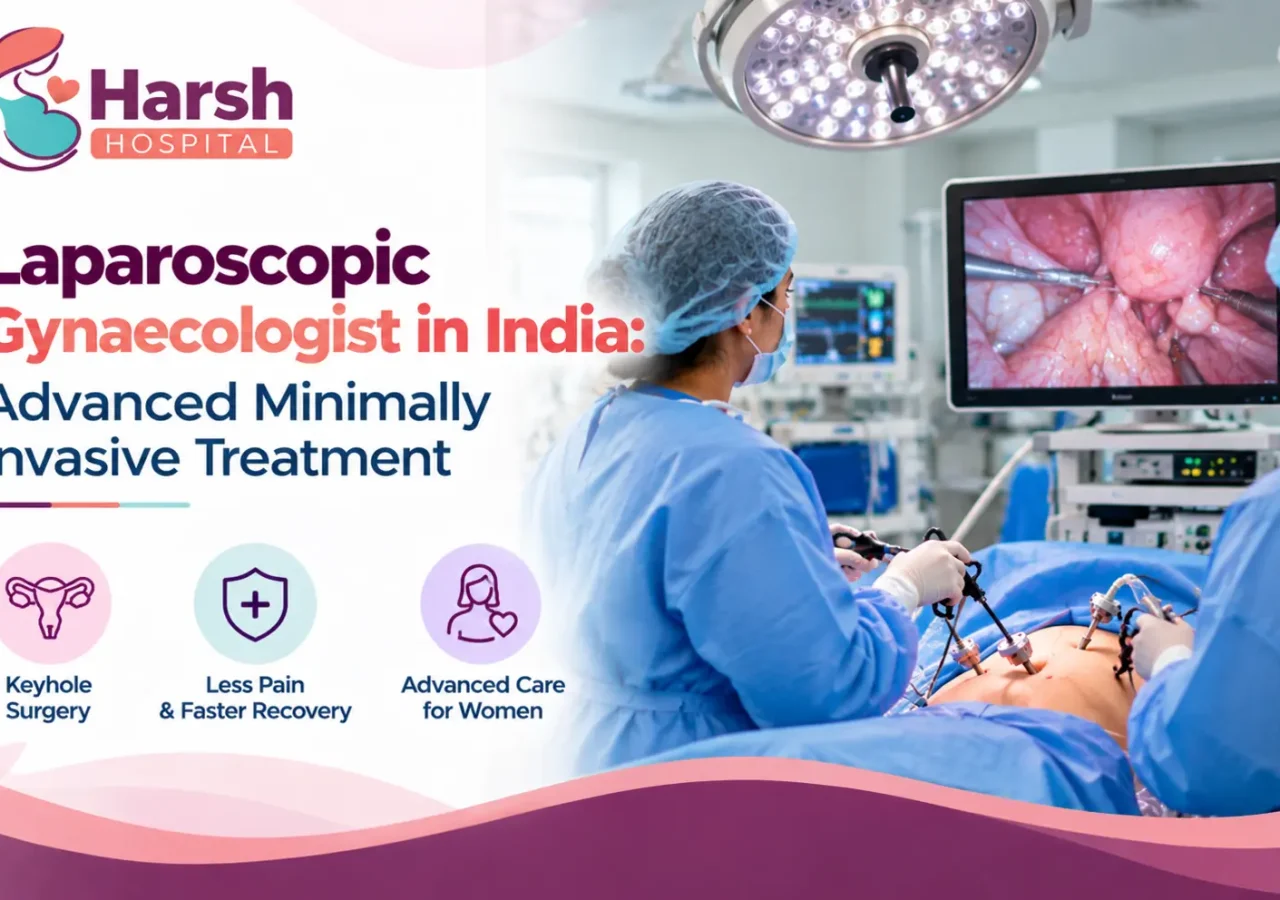
Choosing a laparoscopic gynaecologist in India is an important step for women who have been advised surgery for fibroids, ovarian cysts, endometriosis, abnormal bleeding or uterine disease. Keyhole surgery has changed the way many gynecological conditions are treated, but its benefits depend on accurate diagnosis, appropriate patient selection and an experienced operating team.
What Does a Laparoscopic Gynaecologist in India Do?
A laparoscopic gynaecologist in India is a qualified gynecologist who has additional training in performing pelvic surgery through small abdominal incisions, using a thin camera called a laparoscope and fine instruments. The surgeon watches a magnified view on a monitor and carries out the operation without a large abdominal cut. A laparoscopic gynecologist also evaluates the patient before surgery, explains alternatives, and manages recovery afterward, so the role extends well beyond the operating theater.
In patient care, the surgeon is first a clinician. Many women arrive worried about scars, hospital stay and return to work, and a good consultation addresses these concerns directly before any decision is made. Women often ask whether a laparoscopic gynaecologist in India can treat their condition without open surgery, and the honest answer is that it depends on the diagnosis, the size of the disease and previous operations.
How Gynecological Laparoscopy Works
The operation is performed under anesthesia. The surgeon makes a small cut near the navel and gently inflates the abdomen with carbon dioxide to create working space. The camera is inserted, and two or three additional tiny incisions allow instruments to reach the pelvic organs. Once the procedure is complete, the gas is released and the incisions are closed with fine sutures or adhesive.
Diagnostic and Operative Procedures
Laparoscopy can be diagnostic, helping the surgeon see the uterus, tubes, ovaries and pelvic lining directly when imaging is inconclusive. It can also be operative, allowing removal of cysts, fibroids or diseased tissue during the same sitting when the findings and consent permit.
Conditions Treated With Minimally Invasive Gynecological Surgery
Minimally invasive gynecological surgery is used for a wide range of benign conditions. A laparoscopic surgery specialist may recommend it for the following problems after clinical evaluation:
- Uterine fibroids causing heavy bleeding, pain or pressure symptoms
- Ovarian cysts that are persistent, large or symptomatic
- Endometriosis and pelvic adhesions linked to chronic pelvic pain
- Abnormal uterine bleeding unresponsive to medical treatment
- Selected cases requiring hysterectomy or tubal procedures
Not every patient needs surgery. Medication, observation or other non-surgical measures are often tried first, and operation is advised only when it is the most suitable option.
How Patients Are Evaluated Before Surgery
A detailed assessment is the foundation of safe surgery. Before offering advanced laparoscopy treatment, the treating team typically reviews:
- Menstrual history, symptoms, previous operations and family planning wishes
- Pelvic examination and ultrasound, with further imaging when needed
- Blood tests, hemoglobin and pre-anesthetic fitness assessment
- Discussion of risks, alternatives and expected recovery
Findings are shared with the patient in plain language so that she can take part in the decision. Choosing a laparoscopic gynaecologist in India who values this shared decision-making is as important as choosing the technique. A laparoscopic gynaecologist in India who follows this process lowers the chance of unnecessary surgery and prepares the patient for what to expect.
Laparoscopic vs Open Surgery: What the Evidence Suggests
An evidence review hosted on the NCBI Bookshelf reports that, compared with open surgery for benign gynecological disease, laparoscopy is associated with shorter hospital stay, less pain, fewer infections and faster recovery, while operating time can be longer and the risk of bladder or urethral injury may be higher. The comparison below summarizes these points in general terms.
| Feature | Laparoscopic Surgery | Open (Abdominal) Surgery |
| Incision | Several small keyhole cuts | One larger abdominal incision |
| Postoperative pain | Generally lower | Generally higher |
| Hospital stay | Usually shorter | Usually longer |
| Recovery | Often faster return to routine | Longer healing period |
| Operating time | May be longer | May be shorter |
| Suitability | Chosen after clinical assessment | Preferred in some complex cases |
Neither approach is better in every circumstance. A skilled laparoscopic gynaecologist in India selects the route that is safest for the individual patient, and converts to open surgery without hesitation if safety requires it. The same principle applies to every laparoscopic gynaecologist in India: the technique serves the patient, not the other way around.
Advanced Laparoscopy Treatment Options
Laparoscopic Hysterectomy
Laparoscopic hysterectomy removes the uterus through keyhole incisions and is used for fibroids, adenomyosis, abnormal bleeding and prolapse in selected patients. Women who want to understand the technique can read about gynecological laparoscopy for hysterectomy on the hospital website.
Myomectomy and Ovarian Cystectomy
Myomectomy removes fibroids while preserving the uterus, which matters to women who wish to conceive. Ovarian cystectomy removes a cyst while conserving healthy ovarian tissue. Suitability depends on cyst or fibroid size, number and location, and the surgeon will usually review imaging carefully before promising that a uterus-preserving or ovary-preserving approach is possible.
Endometriosis and Adhesion Surgery
Laparoscopy allows the surgeon to confirm endometriosis, excise visible deposits and release adhesions that may cause pain or affect fertility. This is where advanced laparoscopy treatment depends most on the surgeon’s experience, because disease can be extensive.
Practical Concerns Patients Often Raise
Women commonly ask about scarring, the length of hospital stay and when they can resume household work or travel. Incisions are small and usually fade over time, though healing differs between individuals. A laparoscopic gynaecologist in India should also explain what happens if the surgery has to be converted and how fertility or hormonal health may be affected. Asking a laparoscopic gynecologist these questions early, ideally with a family member present, leads to better preparation and fewer surprises.
Risks and Limitations
Laparoscopic surgery is generally safe, but like every operation it carries risks. These include bleeding, infection, injury to the bladder, bowel or blood vessels, anesthesia-related complications and, rarely, the need to convert to open surgery. Shoulder-tip discomfort from the gas is common for a day or two. Careful patient selection and monitored postoperative care reduce risk but cannot remove it, and no surgeon can guarantee a particular result.
How to Choose a Laparoscopic Surgery Specialist
Credentials matter, but communication matters equally. Patients comparing a laparoscopic surgery specialist or a laparoscopic gynecologist may consider these points:
- Postgraduate qualification in obstetrics and gynecology with training in laparoscopy
- Regular operative experience and a clear plan for complications or conversion
- Transparent explanation of alternatives, including non-surgical options
- A hospital with modern equipment, anesthesia monitoring, blood bank access and structured follow-up
Patients searching for a laparoscopic gynaecologist in India may also ask how many such procedures the team performs and how emergencies are handled. A reliable laparoscopic gynaecologist in India will answer these questions openly, because transparency is a sign of safe practice.
Laparoscopic Surgery for Women at Harsh Hospitals
Harsh Hospitals in Himatnagar, Sabarkantha, provides laparoscopic surgery for women with benign gynecological conditions, alongside antenatal care, painless delivery and general gynecology. Every patient is first evaluated through history, examination and imaging, and the plan is explained together with alternatives and risks.
Women who wish to consult a laparoscopic surgeon in Himatnagar can review the profile of Dr. Hitesh A. Patel, who leads the surgical team. Patients looking for a laparoscopic gynaecologist in Himatnagar will find that the hospital combines keyhole procedures with open surgery when it is the safer choice. Counseling about advanced laparoscopy treatment is part of every surgical consultation. Anesthesia assessment, surgery and postoperative monitoring are coordinated under one roof, and minimally invasive gynecological surgery is offered for suitable cases after counseling.
For families in Sabarkantha and neighboring districts, access to a nearby laparoscopic gynaecologist in Himatnagar also means follow-up visits and early reporting of concerns are practical, and travel to distant cities is often unnecessary for routine benign conditions.
Recovery After Laparoscopic Surgery
Recovery depends on the procedure, the patient’s health and any complications. Most patients are encouraged to walk early to lower the risk of blood clots, take prescribed medicines for pain and avoid heavy lifting until advised. A follow-up visit reviews wounds, discusses any pathology report and answers questions about resuming activity. Women are encouraged to ask their laparoscopic gynecologist for written discharge instructions. Emotional recovery matters as well, and open discussion with family and the treating doctor helps women return to routine life with confidence.
When to Seek Medical Advice
Consult a gynecologist, ideally a laparoscopic gynaecologist in India with hospital-based surgical experience, if you have heavy or prolonged periods, persistent pelvic pain, pain during intercourse, a growing abdominal lump or bleeding after menopause. After surgery, seek urgent care for fever, severe abdominal pain, heavy bleeding, wound discharge, breathlessness or calf swelling.
Book a Surgical Consultation
| If you have been advised gynecological surgery and want clarity on your options, consult a laparoscopic gynaecologist in India at Harsh Hospitals, Himatnagar. Call 99132 33538 or book an appointment online to discuss evaluation and treatment planning. |
About Harsh Hospitals
Harsh Hospitals is a women’s healthcare and maternity hospital in Himatnagar, Sabarkantha, Gujarat, offering gynecology, obstetrics, painless delivery and advanced laparoscopic surgical services. The hospital is led by Dr. Hitesh A. Patel, MD, DGO, and is located near Mehta Petrol Pump, Himatnagar. Women seeking a laparoscopic gynaecologist in India with local access can approach the hospital for an initial consultation.
Conclusion
Minimally invasive surgery offers real advantages for suitable patients, but good outcomes begin with careful evaluation, honest counseling and surgical skill. Choosing a laparoscopic gynaecologist in India who explains alternatives and risks openly helps women decide with confidence. With its patient-focused approach, Harsh Hospitals remains a dependable choice for women in Himatnagar and North Gujarat seeking a laparoscopic gynaecologist in Himatnagar for advanced laparoscopic care.
Frequently Asked Questions
Who is a laparoscopic gynaecologist in India?
A laparoscopic gynaecologist in India is a qualified gynecologist trained to perform pelvic surgery through small keyhole incisions. The doctor also evaluates, counsels and follows up patients.
What is gynecological laparoscopy?
Gynecological laparoscopy is a keyhole procedure in which a camera and fine instruments are used to examine or treat the uterus, tubes and ovaries. It is performed under anesthesia.
Which conditions need laparoscopic surgery for women?
It is used for fibroids, ovarian cysts, endometriosis, adhesions and selected cases of abnormal bleeding or hysterectomy. Your doctor decides after examination and imaging, ideally a laparoscopic gynaecologist in India with relevant training.
Is laparoscopic surgery safer than open surgery?
It usually means smaller cuts, less pain and a shorter stay, but it is not right for everyone. Your surgeon chooses the safest approach for your condition.
How long is recovery after laparoscopic surgery?
Recovery varies with the procedure and the individual, and is often shorter than after open surgery. Your doctor gives personalized guidance on rest and activity.
How do I choose a laparoscopic surgery specialist?
Check postgraduate qualification, laparoscopic training, hospital facilities and the clarity of explanations. A specialist who discusses risks and alternatives openly is preferable.
Can I consult a laparoscopic surgeon in Himatnagar?
Yes. Harsh Hospitals offers consultations with a laparoscopic surgeon in Himatnagar after evaluation of your history and reports. Call 99132 33538 to book an appointment.
Does laparoscopic surgery guarantee a successful result?
No surgery can guarantee an outcome. Results depend on the condition, patient health and surgical planning, which is why careful evaluation and counseling come first.
| This article is for general educational purposes and should not replace consultation with a qualified healthcare professional. |