July 17, 2026 · Pregnancy
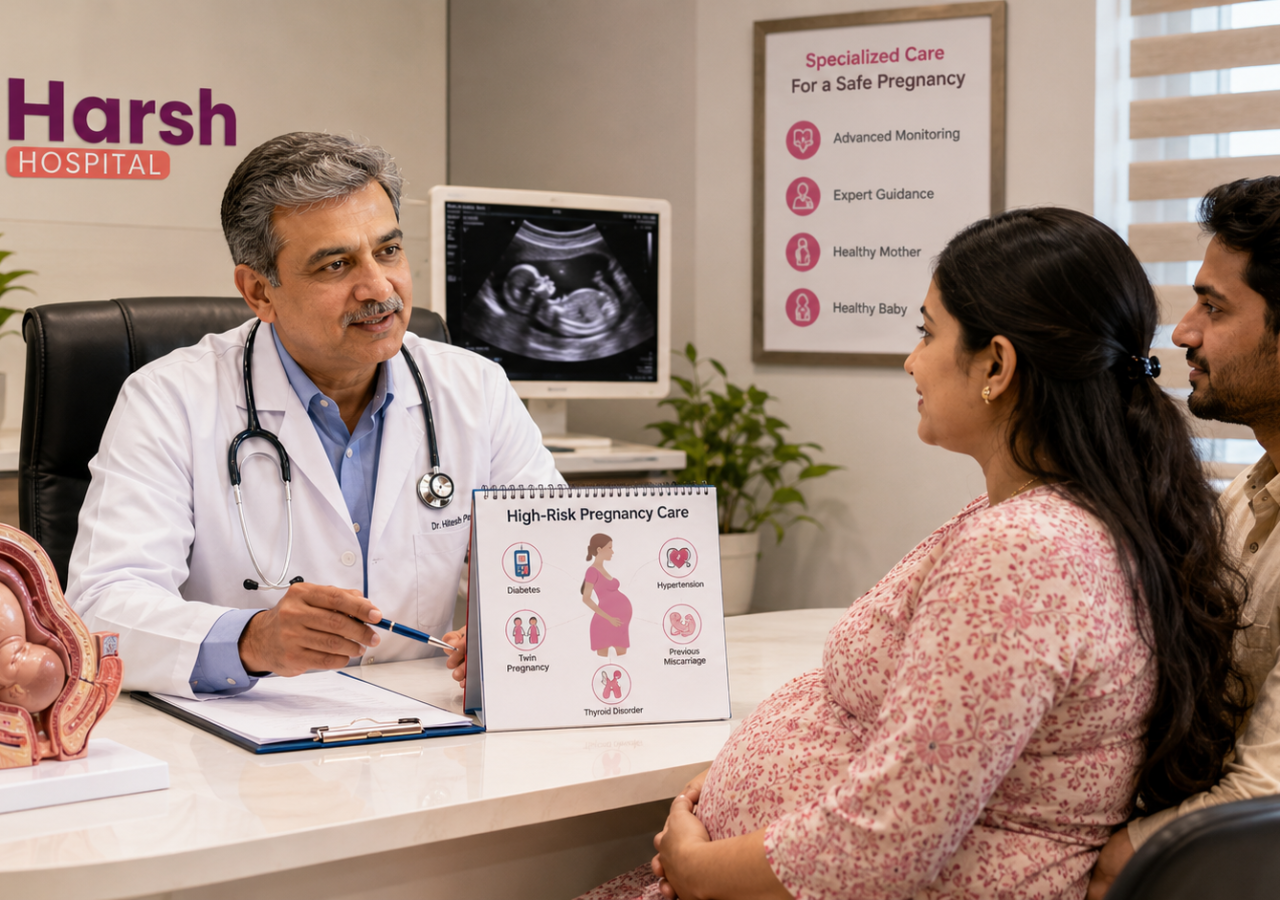
A high risk pregnancy specialist is a doctor trained to manage pregnancies where the mother, the baby, or both face a greater-than-average chance of complications. If your gynecologist has mentioned this term, or if you are simply trying to understand whether you need one, this guide explains exactly what this type of specialist does , which conditions call for one, and how delivery planning changes once your pregnancy falls into this category.
Quick Answer: A high risk pregnancy specialist manages pregnancies complicated by conditions like diabetes, hypertension, twin pregnancy, advanced maternal age, or a history of miscarriage. They provide closer monitoring, advanced testing, and careful delivery planning to protect both mother and baby.
Introduction
Pregnancy is not the same for every woman
Two women at the same stage of pregnancy can have completely different experiences. One sails through with routine checkups. The other develops gestational diabetes in the second trimester and suddenly needs a very different level of care. Pregnancy simply does not follow one script for everyone, and treating every pregnancy with the same generic checklist can mean missing warning signs that matter for a specific mother’s situation.
When standard maternity care is not enough
Standard prenatal care works well for low-risk pregnancies. However, once complications enter the picture, whether from a pre-existing condition or something that develops during pregnancy, standard care visits are not frequent or detailed enough to catch problems early. That gap is exactly where a high risk pregnancy specialist steps in, adding the extra layer of monitoring that a routine schedule was never designed to provide.
What Is a High-Risk Pregnancy?
Definition and common misconceptions
A high-risk pregnancy simply means the pregnancy carries a higher chance of complications than average, not that something is guaranteed to go wrong. Many women hear the term and panic unnecessarily, sometimes assuming the worst before speaking to a doctor at all. In reality, most high-risk pregnancies, when properly managed, end in healthy deliveries.
Difference between normal pregnancy and high-risk pregnancy
A normal pregnancy typically follows a standard checkup schedule, roughly once a month for the first two trimesters and more frequently near the due date. A high-risk pregnancy needs more frequent visits, additional scans, and closer lab monitoring, because small changes can matter more when an underlying risk factor is already present.
Can a high-risk pregnancy still have a safe delivery?
Yes, absolutely. The label “high-risk” describes the level of monitoring needed, not the likely outcome. With early identification and proper specialist care, the vast majority of high-risk pregnancies result in safe deliveries for both mother and baby.
Who Is a High-Risk Pregnancy Specialist?
Qualifications and training of a maternal-fetal medicine expert
A high-risk pregnancy specialist typically holds advanced training beyond standard obstetrics, often in maternal-fetal medicine, focused specifically on managing complications that affect either the mother or the developing baby. This additional training allows them to interpret subtle changes in test results or scans that might otherwise be overlooked in a standard checkup.
How they differ from a general gynecologist
A general gynecologist handles routine pregnancy care and common concerns very well. A high-risk pregnancy specialist brings deeper experience with complications like preeclampsia, fetal growth restriction, and multiple pregnancies, along with the judgment to know when urgent action is needed. Think of it this way: a general gynecologist manages the everyday journey of pregnancy, while a specialist steps in when that journey takes an unexpected turn and needs closer, more technical oversight.
What kind of cases they handle
These specialists typically manage pregnancies involving chronic conditions like diabetes and hypertension, pregnancies with twins or more, cases with a history of pregnancy loss, and situations where a scan reveals a concern with the baby’s growth or development.
Conditions That May Require a High-Risk Pregnancy Specialist
Several factors can push a pregnancy into the high-risk category, and it often helps to know these in advance rather than being surprised mid-pregnancy.
- Advanced maternal age (35 and above) or very young maternal age (under 19)
- Diabetes, high blood pressure, or thyroid disorders
- Twin or multiple pregnancies
- Previous miscarriage, stillbirth, or complicated C-section
- Heart, kidney, or autoimmune conditions
- Obesity, infections, or placental problems
Maternal age: teenage pregnancy and advanced maternal age
Both very young mothers and mothers over 35 statistically face higher rates of pregnancy complications, which is why age alone is enough to warrant closer specialist monitoring in many cases.
Diabetes, high blood pressure, and thyroid disorders
These three conditions, whether pre-existing or newly diagnosed during pregnancy, directly affect how the pregnancy needs to be managed and often influence the timing and method of delivery.
Multiple pregnancies (twins, triplets)
Carrying more than one baby increases the risk of preterm labour, growth differences between babies, and delivery complications, all of which call for more frequent monitoring than a single pregnancy.
Previous miscarriage, stillbirth, or C-section complications
A history of pregnancy loss or a difficult prior delivery gives the specialist important context, allowing them to watch more closely for patterns that led to complications the last time.
Heart, kidney, or autoimmune conditions
Pre-existing conditions like these interact with pregnancy in ways a general checkup schedule may not fully account for, making specialist oversight important from early on.
Obesity, infections, or placental problems
Placental issues like placenta previa, along with obesity and certain infections during pregnancy, all raise the complexity of care needed and often shift a pregnancy into the high-risk category.
What Does a High-Risk Pregnancy Specialist Do?
Early risk assessment and personalized care plan
The specialist starts by reviewing your full medical history and current health status to identify specific risk factors, then builds a monitoring and care plan tailored to those exact concerns.
Advanced ultrasounds, genetic screening, and fetal monitoring
High-risk pregnancies often involve more detailed ultrasounds to track the baby’s growth, along with genetic screening options and more frequent fetal heart-rate monitoring as the pregnancy progresses.
Management of pregnancy complications
Whether it is adjusting insulin for gestational diabetes or managing blood pressure medication safely during pregnancy, the specialist actively manages these conditions rather than simply monitoring from a distance.
Coordination with other specialists if needed
Complex cases sometimes need input from a cardiologist, endocrinologist, or nephrologist. A good specialist coordinates this care so the mother is not left juggling appointments across disconnected doctors, which matters more than people expect when several conditions overlap during the same pregnancy.
Safe delivery planning for mother and baby
As the due date approaches, the specialist finalises a delivery plan that accounts for the specific risk factors involved, including where and how the delivery should happen for the safest outcome.
When Should You Consult a High-Risk Pregnancy Specialist?
- Before conception, if you already know you have a condition like diabetes or a thyroid disorder.
- As soon as possible after a high-risk condition is diagnosed early in pregnancy.
- Immediately if a routine scan flags a concern with the baby’s growth or the placenta.
- Without delay if you notice symptoms like severe swelling, sudden vision changes, heavy bleeding, or a sharp rise in blood pressure.
Before conception: pre-pregnancy counselling
If you already know about a health condition, meeting a specialist before you even conceive allows time to stabilise your health first, which often improves the outcome significantly.
During early pregnancy after diagnosis
If a condition is diagnosed once you are already pregnant, an early referral gives the specialist more time to build an effective monitoring plan around your specific situation.
When a routine scan shows a concern
If a scan flags something unusual about growth, fluid levels, or placental position, do not wait for your next scheduled visit. Ask for a specialist referral right away.
If you develop symptoms like severe swelling, bleeding, or high BP
These symptoms can indicate preeclampsia or other urgent complications. They deserve same-day medical attention, not a wait-and-watch approach.
Delivery Options in High-Risk Pregnancy
Normal vaginal delivery: when is it possible?
Many high-risk pregnancies still allow for a normal vaginal delivery, provided the specific risk factor does not directly interfere with labour. The decision depends entirely on how the pregnancy has progressed, not on the risk label alone. For example, a woman managing well-controlled gestational diabetes with a baby of healthy weight may still deliver normally, while a woman with severe preeclampsia may need an earlier, planned delivery instead.
Painless delivery: is epidural safe in high-risk cases?
In most high-risk pregnancies, painless delivery through epidural anesthesia remains a safe option, and it is generally decided based on the mother’s specific condition rather than ruled out automatically. Your specialist will confirm this closer to your due date based on how your pregnancy has progressed.
C-section: when is it necessary?
A C-section becomes necessary when vaginal delivery poses a higher risk to the mother or baby, such as with certain placental positions, fetal distress, or specific maternal health conditions that make labour unsafe.
C section delivery cost in India: what factors affect pricing?
The c section delivery cost in India varies based on the hospital, room category, city, and whether any complications extend the hospital stay. On average, costs are higher than a normal delivery due to surgical, anesthesia, and recovery-related expenses. It is worth asking your hospital for a detailed, written breakdown before delivery day so the c section delivery cost in India does not come as a surprise on your final bill.
How a specialist decides the safest delivery method
The specialist weighs the specific risk factor, how the pregnancy has progressed, and real-time signs closer to the due date before finalising whether normal delivery, painless delivery, or a C-section offers the safest path forward.
Benefits of Early Care From a High-Risk Pregnancy Specialist
Lower risk of complications
Early, consistent monitoring catches warning signs before they escalate, which directly reduces the risk of serious complications for both mother and baby.
Better monitoring of baby’s growth
Regular, detailed ultrasounds allow the specialist to track the baby’s growth pattern closely and intervene early if growth slows or other concerns appear.
Peace of mind for the family
Knowing that an experienced specialist is watching every detail reduces anxiety significantly for expecting parents, especially after a difficult previous pregnancy. Families often describe this reassurance as just as valuable as the medical care itself, since constant worry through nine months takes its own toll.
Timely decision-making during emergencies
When complications do arise, a specialist familiar with your case can make faster, better-informed decisions than a team seeing your history for the first time.
Why Choose Harsh Hospital for High-Risk Pregnancy Care in Himatnagar
Specialist-led care with 20+ years of experience
Harsh Hospital’s team brings over two decades of experience managing high-risk pregnancies, from gestational diabetes to twin pregnancies and everything in between.
Modern fetal monitoring and emergency delivery facilities
On-site advanced ultrasound, continuous fetal monitoring, and round-the-clock surgical readiness mean complications get caught and managed without delay.
Compassionate support for anxious mothers and families
The team understands that a high-risk label brings real anxiety, and takes the time to explain every step clearly rather than leaving families to worry in silence.
Affordable, transparent maternity and delivery packages
Clear, written packages help families plan financially in advance, including realistic guidance on the c section delivery cost in India if a C-section becomes necessary.
Conclusion
The right specialist can make all the difference
A high-risk label can feel frightening at first, but it mainly means your pregnancy needs closer attention, not that something is destined to go wrong. With the right high risk pregnancy specialist guiding you, most complications are caught early and managed well before they become emergencies. The key is not to wait until a symptom forces the issue, but to seek this level of care as soon as a risk factor becomes known, since early planning almost always leads to a calmer, safer delivery experience. If you are searching for a maternity hospital in Himatnagar equipped to handle both routine and complex pregnancies, or want to speak with the best gynecologist in Himatnagar about your specific risk factors, the right team makes this entire journey far less stressful.
Book a high-risk pregnancy consultation at Harsh Hospital
If you have any of the risk factors mentioned above, do not wait for your next routine appointment. Book a high-risk pregnancy consultation at Harsh Hospital and get a clear, personalised care plan from a team experienced in exactly this kind of care.
Frequently Asked Questions
1. What conditions make a pregnancy high-risk?
Diabetes, high blood pressure, thyroid disorders, twin pregnancies, advanced maternal age, and a history of miscarriage or stillbirth are among the most common conditions that classify a pregnancy as high-risk.
2. Is a high-risk pregnancy specialist the same as a gynecologist?
Not exactly. This type of specialist has additional training in managing pregnancy complications, while a general gynecologist handles routine prenatal and gynecological care.
3. Can a high-risk pregnancy still result in a normal delivery?
Yes, many high-risk pregnancies still allow for normal vaginal delivery, depending on how the pregnancy progresses and which specific risk factor is involved.
4. What is the average c section delivery cost in India?
The c section delivery cost in India depends on the hospital, city, and room category, and it is generally higher than a normal delivery due to surgical and recovery-related expenses. Ask your hospital for a written estimate in advance.
5. Is painless delivery safe for high-risk pregnancies?
In most cases, yes. Painless delivery through epidural anesthesia is generally safe for high-risk pregnancies, though your specialist will confirm this based on your specific condition.
6. When should I first see a high-risk pregnancy specialist?
Ideally before conception if you already have a known condition, or as early as possible in pregnancy once a risk factor is identified.
7. Does twin pregnancy always require a specialist?
Twin pregnancies are automatically considered higher risk due to a greater chance of preterm labour and growth differences, so specialist involvement is generally recommended.
8. How often will I need checkups during a high-risk pregnancy?
This varies by condition, but high-risk pregnancies typically need more frequent visits than the standard monthly schedule, sometimes every one to two weeks in the later stages.
9. Can lifestyle changes lower the risk in a high-risk pregnancy?
In many cases, yes. Managing diet, weight, and blood sugar carefully can reduce complications significantly, even though the pregnancy remains classified as high-risk throughout.
10. Will I need to deliver earlier than my due date if my pregnancy is high-risk?
Not always, but some conditions do call for a planned early delivery if continuing the pregnancy poses more risk than delivering slightly ahead of schedule. Your specialist will guide this decision based on regular monitoring closer to the due date.