
08/18/2026 · Pregnancy
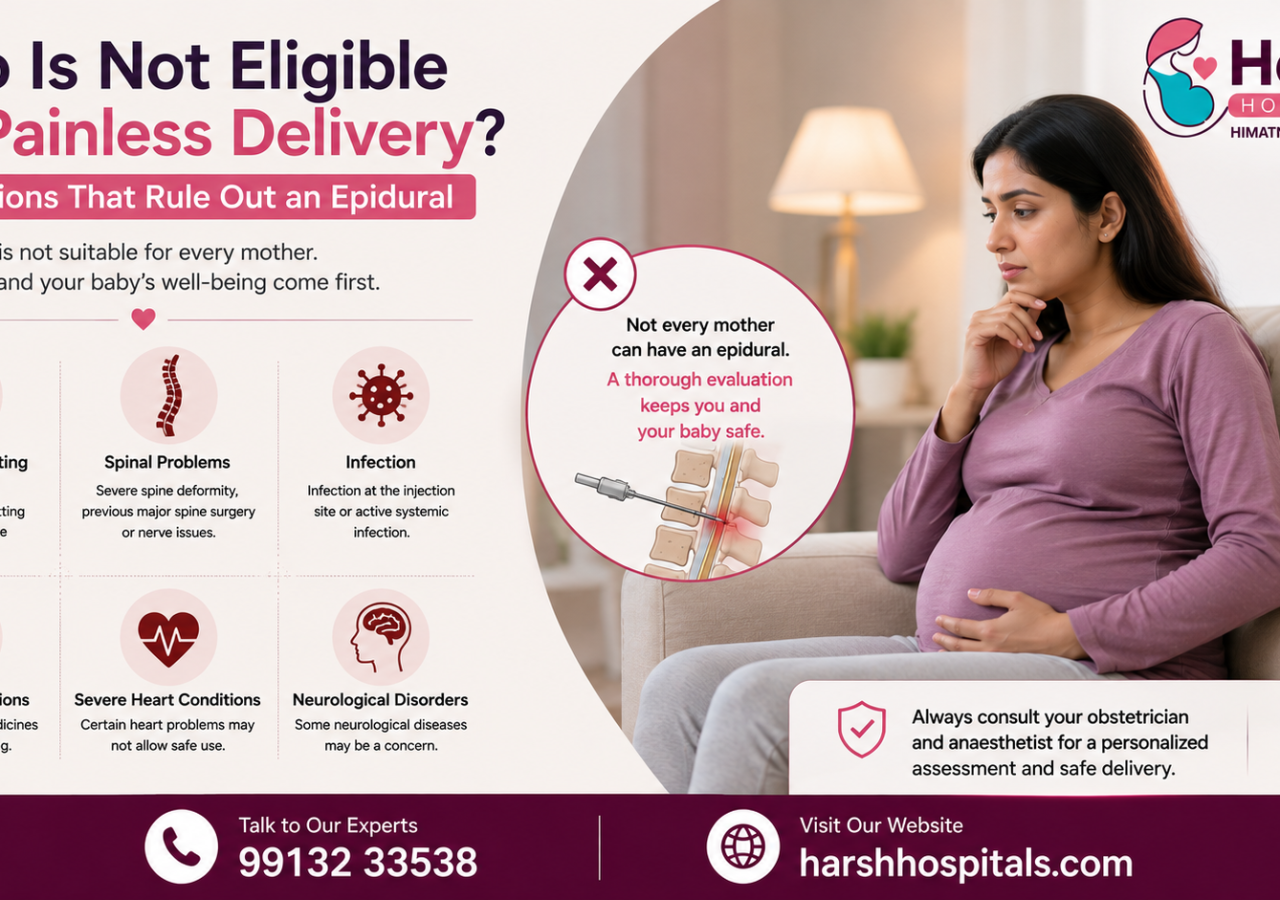
Who is not eligible for painless delivery is usually determined by a woman’s medical history, blood reports, medicines, spinal condition and current pregnancy. An epidural can provide effective labour pain relief, but it is not suitable for every mother. who is not eligible for painless delivery
For most women, the decision is made after an obstetrician and anaesthetist review the patient’s health and discuss the possible benefits and risks. Having a particular medical condition does not always mean an epidural is impossible. The final decision depends on the individual case.
This guide explains the main situations doctors consider, what assessments may be required and what options can be discussed if an epidural is not suitable.
What Does Painless Delivery Eligibility Depend On?
Painless delivery eligibility depends on whether an epidural can be given safely. Doctors do not use one universal checklist because every pregnancy and medical history is different.
Medical History Matters
During an assessment, the anaesthetist may ask about:
- Previous operations
- Previous anaesthesia
- Earlier epidural experiences
- Allergies
- Neurological conditions
- Back or spinal problems
- Bleeding history
- Current medicines
These details can help identify who is not eligible for painless delivery and whether additional tests are needed.
Blood Reports and Medicines
Blood tests may be important when there is a concern about bleeding or clotting. Medicines that affect blood clotting should also be discussed.
A woman should never stop prescribed medication simply because she wants an epidural. Her obstetrician and anaesthetist should decide whether a medicine needs to be changed or continued.
Who Is Not Eligible for Painless Delivery Because of Blood-Clotting Problems?
Blood-clotting problems are one of the important issues considered before an epidural. The procedure involves placing a needle close to the spinal nerves, so doctors need to assess bleeding risk carefully.
What Blood Problems Can Matter?
The medical team may review:
- Platelet count
- Previous unusual bleeding
- Known bleeding disorders
- Recent blood-test results
- Medicines that affect clotting
- Changes in blood results during pregnancy
A clotting disorder pregnancy situation needs individual medical assessment. Some women may require additional testing before the anaesthetist decides whether an epidural is appropriate.
What If Platelet Levels Are Low?
Low platelet levels can increase concerns about bleeding during certain procedures. The anaesthetist may review the latest result and the reason for the low count before making a decision.
This is why who is not eligible for painless delivery cannot be determined simply by looking at one previous blood report.
What Are the Main Epidural Contraindications?
Epidural contraindications are conditions or circumstances in which an epidural may be unsafe or unsuitable.
Conditions Doctors May Consider
These can include:
- Serious bleeding or clotting abnormalities
- Very low platelet levels
- Infection around the injection area
- Certain serious infections
- Some neurological problems
- Significant spinal abnormalities
- Medicines that increase bleeding risk
- A patient who does not consent
Not every concern carries the same level of risk. Some situations may completely rule out an epidural, while others may only require further assessment.
Why Individual Assessment Is Important
A woman may have had back surgery, for example, but still be considered for an epidural. Another woman with a different spinal condition may need an alternative approach.
Therefore, epidural contraindications should be assessed by the anaesthetist rather than interpreted from a general online list.
Can an Infection Prevent an Epidural?
An active infection can affect epidural suitability, particularly when it involves the skin or area where the needle would be inserted.
Infection Near the Injection Area
An infection around the lower back may make an epidural unsuitable. The medical team will consider the location and severity of the infection before recommending pain relief.
Tell Your Doctor About These Symptoms
Inform the maternity team if you have:
- Fever
- Chills
- Skin infection
- Recent serious infection
- Current antibiotic treatment
- Unexplained illness during labour
These symptoms should not be hidden because the anaesthetist needs accurate information before performing the procedure.
Understanding who is not eligible for painless delivery is therefore partly about identifying temporary conditions that may make an epidural unsafe at that particular time.
Does Previous Spine Surgery Mean You Cannot Have an Epidural?
Previous spine surgery does not automatically rule out an epidural. However, surgery can change the normal anatomy of the spine and may make epidural placement more technically difficult.
What Will the Anaesthetist Ask?
If you have had spinal surgery, the doctor may ask:
- What type of surgery was performed?
- Which part of the spine was operated on?
- Were implants or hardware used?
- Do you currently have back pain?
- Do you have numbness or weakness?
- Have you previously received spinal or epidural anaesthesia?
- Are previous medical reports available?
A spine surgery epidural assessment can help determine whether the procedure may be technically possible.
Why Previous Reports Can Help
Surgical records or previous imaging may help the anaesthetist understand the changes in the spine.
A spine surgery epidural may still be possible in some patients. In other cases, the anaesthetist may recommend another pain-management method.
Who Is Not Eligible for Painless Delivery Because of Other Conditions?
Who is not eligible for painless delivery can also depend on neurological conditions, significant spinal abnormalities, previous anaesthesia complications and other medical concerns.
Neurological Problems
Tell your doctor if you have:
- Previous neurological disease
- Numbness
- Weakness
- Changes in sensation
- Previous nerve-related surgery
- Ongoing neurological symptoms
Previous Anaesthesia Problems
If you previously experienced a serious reaction to anaesthesia, inform the medical team before labour. Previous reactions do not always prevent future anaesthesia, but they need to be assessed.
Patient Consent
A woman must understand the procedure and agree to it. If she does not want an epidural, the team should discuss other pain-relief choices.
This patient-centred assessment helps determine who is not eligible for painless delivery while also respecting the mother’s preferences.
When Is an Epidural Usually Avoided?
There are some situations where an epidural may not be recommended because the potential risk is considered too high.
| Situation | Why It May Matter | Possible Approach |
| Serious bleeding disorder | Increased bleeding concern | Epidural may be avoided |
| Very low platelets | Possible bleeding risk | Further assessment |
| Infection at injection site | Infection concern | Alternative pain relief |
| Certain blood-thinning medicines | Increased bleeding risk | Medication review |
| Previous spine surgery | Placement may be difficult | Anaesthetist assessment |
| Certain neurological problems | Individual neurological concerns | Specialist review |
| Patient refuses epidural | Consent is required | Discuss alternatives |
How Is Painless Delivery Eligibility Checked Before Labour?
Painless delivery eligibility is best discussed during pregnancy, particularly when a woman already knows she has a condition that could affect anaesthesia.
What Happens During Assessment?
The process may include:
- Reviewing medical and pregnancy history.
- Discussing previous anaesthesia.
- Reviewing relevant blood reports.
- Checking current medicines.
- Discussing previous spinal surgery.
- Assessing neurological symptoms if present.
- Explaining possible benefits and risks.
- Discussing alternatives if an epidural is unsuitable.
Early planning gives the medical team more time to review important information.
It also helps a woman understand who is not eligible for painless delivery before active labour begins.
What Should You Tell Your Doctor Before Labour?
A complete medical history is important when deciding who is not eligible for painless delivery.
Information You Should Share
Tell your obstetrician if you have:
- A bleeding or clotting disorder
- Low platelet results
- Blood-thinning medication
- Previous spinal surgery
- Neurological problems
- Previous epidural complications
- Anaesthesia allergies
- Recent infection or fever
A woman with a clotting disorder pregnancy should bring relevant blood reports and medication information to her consultation.
Similarly, anyone considering a spine surgery epidural should mention previous operations and bring available surgical or imaging records.
For specialist consultation, patients can also learn more about Dr. Hitesh Patel, Gynaecologist, Obstetrician and Advanced Laparoscopic Surgeon at Harsh Hospital.
What Happens If You Are Not Eligible for an Epidural?
If an epidural is not recommended, it does not mean that a woman has no options for managing labour pain.
Possible Alternatives
Depending on the medical situation, the team may discuss:
- Breathing and relaxation techniques
- Position changes
- Movement during labour
- Non-drug comfort measures
- Other pain-relief medicines
- Alternative analgesia
- Other anaesthesia options when medically required
The best choice depends on the mother’s health, the baby’s condition, labour progress and hospital facilities.
Understanding who is not eligible for painless delivery can help families prepare a backup plan instead of feeling surprised during labour.
When Should You Discuss Who Is Not Eligible for Painless Delivery?
Who is not eligible for painless delivery is worth discussing during pregnancy if you have a medical condition that may affect anaesthesia.
Speak With Your Doctor Early If You Have:
- Previous spinal surgery
- A known bleeding disorder
- Low or changing platelet levels
- Blood-thinning medication
- A neurological condition
- Previous epidural complications
- A significant anaesthesia reaction
- An active or recent infection
Early discussion gives the doctor time to review reports and explain your options.
A Simple Patient Scenario
A pregnant woman with previous back surgery may assume that an epidural is automatically impossible. During an antenatal consultation, the anaesthetist can review her surgical history and explain whether an epidural can be considered.
This is why who is not eligible for painless delivery should be decided by the treating medical team rather than assumed by the patient.
Care for Patients Travelling From Nearby Towns
Harsh Hospital serves patients from Himatnagar and surrounding areas. Families travelling from Dhansura can review the information about a normal delivery hospital in Dhansura when planning maternity care.
Patients coming from Malpur can also review the information about a normal delivery specialist in Malpur. These location pages can help families understand local maternity-care options before travelling.
Ready to Discuss Your Delivery Options?
If you are unsure who is not eligible for painless delivery, speak with your obstetrician and anaesthetist before labour. Your medical history, medicines, blood reports and previous procedures can all affect the decision.
Harsh Hospital, Himatnagar
Near Mehta Petrol Pump, Himatnagar HO – 383001, Gujarat
Phone: 99132 33538
Timings: Monday–Saturday, 9:00 AM–8:00 PM; Sunday emergency only
Conclusion
Who is not eligible for painless delivery depends on the mother’s individual health rather than one universal rule. Blood-clotting problems, infections, certain medicines, spinal conditions and some neurological concerns may affect epidural suitability.
Previous spine surgery does not automatically mean an epidural is impossible. Likewise, an abnormal blood report does not always provide the complete answer. The anaesthetist needs to consider the full medical picture before making a recommendation.
The safest approach is to discuss your medical history during pregnancy. This allows the obstetrician and anaesthetist to review your reports, explain the available choices and prepare an appropriate labour pain-management plan.
Frequently Asked Questions
1. Who is not eligible for painless delivery?
Women with serious bleeding risks, certain infections or specific anaesthesia concerns may not be suitable for an epidural. An anaesthetist should assess each patient individually.
2. Can everyone have an epidural during labour?
No. Some women have medical conditions or medication-related risks that can make an epidural unsuitable. Others may need additional tests before it is considered.
3. Can a clotting disorder pregnancy prevent an epidural?
Yes. It can increase bleeding concerns around the spine. Blood results, the specific condition and medicines should be reviewed before an epidural is considered.
4. Can I have an epidural after spine surgery?
Possibly. A previous operation may make placement difficult, but it does not always rule out an epidural. The anaesthetist should review the surgery and spinal anatomy.
5. What are the main epidural contraindications?
Serious clotting problems, infection near the injection site and some medication-related bleeding risks may affect suitability. Certain spinal or neurological conditions also need assessment.
6. When should I discuss painless delivery eligibility?
Discuss it during pregnancy if you have previous spine surgery, a bleeding disorder, take blood-thinning medicines or have experienced complications with anaesthesia.
7. What happens if I am not eligible for painless delivery?
Your doctor can discuss other pain-relief methods based on your health, labour stage and available facilities. Not having an epidural does not mean having no pain-management options.