
September 4, 2026 · Pregnancy
Author: [HITESH PATEL]
Disclaimer: This article is intended for general educational purposes and does not replace personalized medical advice. Every pregnancy is different, and any preparation, exercise, or lifestyle guidance mentioned here should be discussed with your obstetrician before you begin.
Expectant mothers preparing for childbirth often search for practical normal delivery tips that can help them approach labour with greater confidence and physical readiness. No single method can guarantee the exact course of childbirth, but following evidence-informed normal delivery tips throughout pregnancy can support maternal wellbeing, physical preparedness, and informed decision-making as delivery approaches. In this article, you will find 12 practical normal delivery tips that expectant mothers can discuss with their obstetric care team, along with guidance on labour signs, birth planning, and when to seek medical attention.
Every pregnancy is different, and these suggestions are general in nature rather than a personalized treatment plan.
Why Following the Right Normal Delivery Tips Matters
Preparing for labour involves more than a single decision made close to the due date. A structured approach throughout pregnancy, guided by regular antenatal care, can help identify potential risk factors early and support a smoother overall experience. Following practical normal delivery tips does not eliminate the possibility of medical intervention, but it can help expectant mothers feel more informed and involved in their own care.
Many first-time mothers find that uncertainty, rather than the physical demands of labour itself, is one of the more challenging aspects of childbirth preparation. Structured normal delivery tips, discussed openly with a qualified obstetric team, can help address this uncertainty by setting realistic expectations well in advance of the due date.
Understanding How to Prepare for Labour During Pregnancy
Labour preparation typically begins early in pregnancy and continues through each trimester. It includes physical readiness, nutritional support, emotional wellbeing, and a clear understanding of when to seek medical attention. This structured approach, discussed with your treating obstetrician as part of routine pregnancy care, allows adjustments to be made as pregnancy progresses and individual circumstances change.
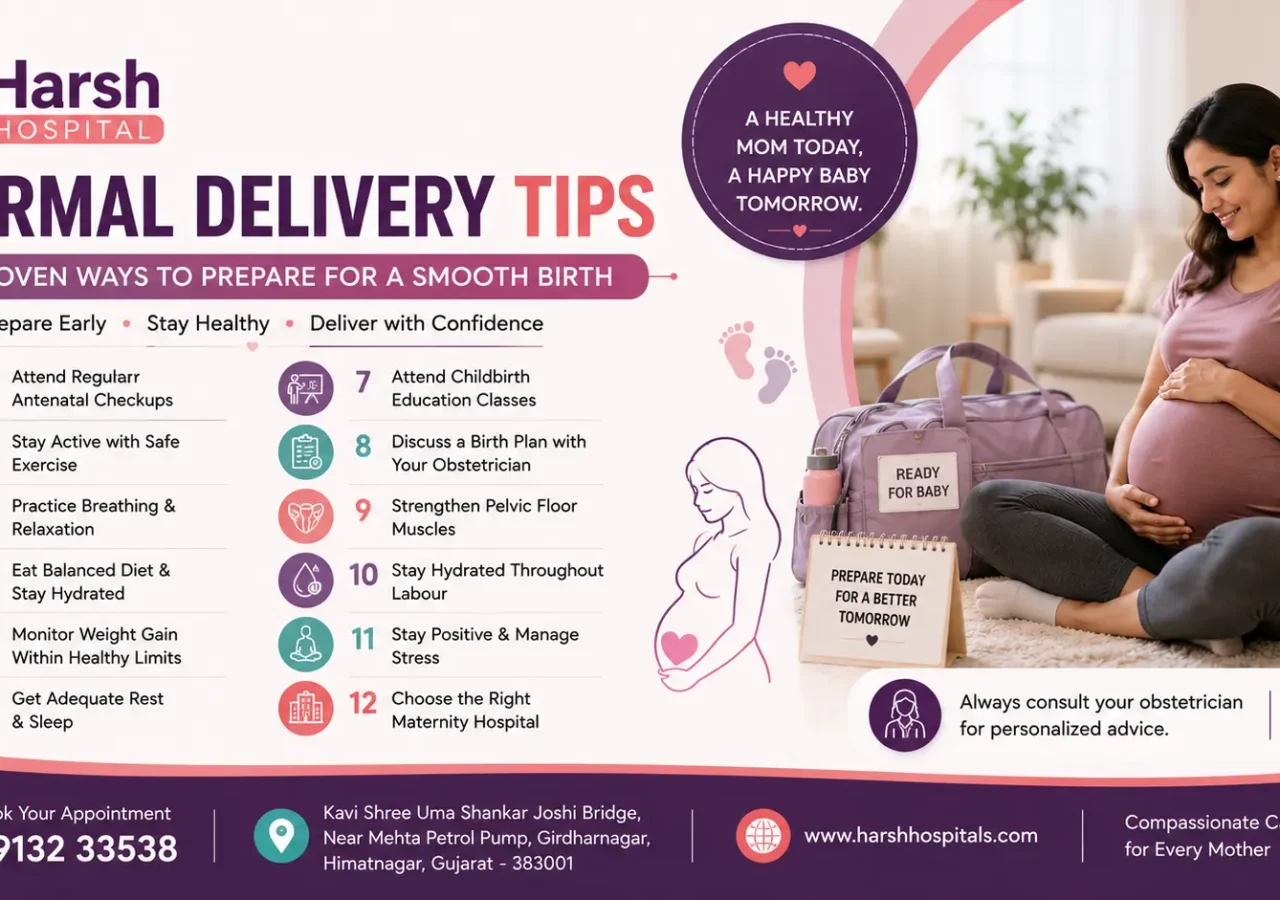
12 Proven Normal Delivery Tips for Expectant Mothers
These normal delivery tips reflect commonly recommended practices in antenatal care. They should be adapted to your individual health status and discussed with a qualified healthcare provider.
1. Attend Regular Antenatal Checkups
Consistent visits to a dedicated pregnancy care center allow healthcare providers to monitor maternal and fetal wellbeing, track growth patterns, and identify concerns early. Reviewing our complete maternity hospital guide beforehand can help you understand what a well-equipped facility should offer at each stage of antenatal care. Regular monitoring is one of the most consistently recommended normal delivery tips across clinical guidelines, and it remains the foundation that every other tip on this list builds on.
2. Stay Physically Active with Safe, Guided Movement
Where medically appropriate, exercises for normal delivery — such as walking during pregnancy, gentle stretching, or prenatal yoga — can support strength, posture, and general fitness. Walking is often one of the simplest ways to stay active in later pregnancy, but the right amount and intensity depends on your trimester, overall health, and any pregnancy complications. Activity levels should always be discussed with your obstetrician before starting or continuing a routine, and any exercise should stop immediately if you feel pain, dizziness, or unusual discomfort.
3. Practice Breathing and Relaxation Techniques
Controlled breathing exercises can help manage discomfort and support focus during labour. These techniques are often introduced as part of broader childbirth readiness classes offered during the third trimester. Practising simple, slow breathing patterns at home in the weeks before your due date — rather than trying them for the first time during labour — can make them easier to use when contractions begin.
4. Maintain Balanced Nutrition and Hydration
A well-balanced diet supports maternal energy levels and fetal development. Focusing on iron-rich, protein-rich, and fibre-rich foods to eat during pregnancy, alongside adequate hydration, becomes increasingly important as physical demands increase in the later trimesters. Your obstetrician or a dietitian can help tailor recommendations to your specific nutritional needs.
5. Monitor Weight Gain Within Healthy Limits
Gradual, appropriate weight gain, reviewed at each antenatal visit, supports maternal health and reduces certain pregnancy-related risks. Your care provider can advise on healthy ranges based on your individual profile — one of the more overlooked normal delivery tips for long-term comfort during pregnancy and recovery afterward.
6. Get Adequate Rest and Sleep
Fatigue is common during pregnancy, and prioritizing rest supports physical recovery and emotional resilience. Adjusting sleep positions in later trimesters — such as sleeping on your side with a supportive pillow — can also improve comfort and circulation.
7. Attend Childbirth Education Classes
Structured childbirth preparation classes help expectant mothers understand the stages of labour, available pain-relief options, and what to expect during delivery. This is a valuable part of preparing for delivery, particularly for first-time mothers who may not know what a typical labour timeline looks like.
8. Discuss a Birth Plan with Your Obstetrician
A birth plan outlines your preferences for labour and delivery while remaining flexible to medical necessity, including preferences around pain relief such as painless delivery. Discussing this document with your care team well in advance ensures your expectations are realistic and aligned with your clinical situation, and it gives your medical team a clear reference during labour itself.
9. Practice Pelvic Floor and Mobility Exercises
Pelvic floor exercises during pregnancy, along with gentle mobility work, may support comfort and body awareness as pregnancy advances when performed correctly. These exercises should be introduced under guidance, particularly in the later stages of pregnancy, since incorrect technique offers little benefit.
10. Manage Stress and Emotional Wellbeing
Emotional preparation is as important as physical readiness, and it remains one of the most underrated normal delivery tips. Open conversations with your care team, family, or a counselor can help manage anxiety related to labour and delivery, and can make the entire experience feel less overwhelming.
11. Know the Early Signs of Labour
Recognizing the signs of labour promptly is an essential part of birth preparedness. Common signs include:
- Regular, increasingly intense contractions
- Rupture of membranes (waters breaking)
- A noticeable change in vaginal discharge, sometimes with light blood staining
According to the WHO Recommendations on Health Promotion Interventions for Maternal and Newborn Health, available through the NCBI Bookshelf, birth preparedness and complication readiness — including awareness of labour signs and danger symptoms — is recommended as part of focused antenatal care.
12. Choose the Right Care Team and Facility in Advance
Deciding on a local normal delivery hospital well before your due date allows time to understand facility protocols, available pain-relief options, and emergency preparedness. This decision is one of the most important normal delivery tips for reducing last-minute uncertainty as labour approaches.
A Quick Reference: Preparation Areas and Practical Actions
| Preparation Area | What You Can Do | Why It Matters |
| Physical activity | Pregnancy-safe movement and rest | Supports fitness, stamina, and comfort |
| Nutrition | Balanced meals and hydration | Supports maternal and fetal wellbeing |
| Labour preparation | Breathing practice and childbirth education | Builds confidence and preparedness |
| Emotional wellbeing | Relaxation techniques and support | Helps manage anxiety around labour |
| Medical care | Regular antenatal visits | Enables early risk identification |
When to Seek Immediate Medical Attention
While most pregnancies progress without complications, certain symptoms require prompt medical evaluation rather than waiting for a scheduled visit. Recognizing these warning signs early is a critical safety measure that complements the general preparation described above.
- Heavy vaginal bleeding or fluid leakage
- Severe abdominal pain or a persistent headache
- Reduced fetal movement or high fever
Seeking timely care in these situations is one of the most important normal delivery tips, as early evaluation can help address potential complications before they progress.
Choosing the Right Care Team and Facility
Selecting a nearby maternity facility well in advance involves reviewing the obstetric team’s experience, emergency readiness, neonatal support, and approach to labour pain management. This decision works best when made alongside the broader vaginal birth preparation steps outlined above, rather than left until the final weeks of pregnancy.
Access to Maternity Care in Modasa and Nearby Areas
Families residing in and around Modasa can access a dedicated normal delivery hospital near Modasa, reducing the need for extended travel during routine antenatal visits and delivery. Regional access to a qualified pregnancy care center supports consistent monitoring throughout pregnancy, which is a meaningful contributor to safer birth outcomes for families across the wider Himatnagar and Modasa area.
Normal Delivery Preparation at Harsh Hospital
At Harsh Hospital in Himatnagar, maternity care is structured around individual antenatal assessment, patient education, and transparent communication throughout pregnancy. Expectant mothers can discuss which normal delivery tips are most relevant to their situation, along with exercise guidance and delivery expectations, directly with their care team at Harsh Hospital.
Ready to prepare with confidence? If you are pregnant and want personalized guidance on normal delivery tips suited to your health and pregnancy stage, we encourage you to schedule an antenatal consultation with our maternity team at Harsh Hospital.
About Harsh Hospital
Harsh Hospital, Himatnagar, Gujarat, provides obstetric and gynecological care, including antenatal monitoring, delivery-readiness guidance, and delivery-related support. The hospital’s approach is centered on individual clinical assessment and clear patient communication throughout the pregnancy journey. Learn more about our gynecology services and broader maternity services.
Conclusion
Preparing for childbirth involves a combination of physical readiness, informed decision-making, and consistent antenatal care. While no set of normal delivery tips can guarantee a particular outcome, following these practices in consultation with a qualified healthcare provider can support a smoother, more informed pregnancy experience. From choosing the right care team to recognizing early labour signs, each step contributes to a more confident approach to childbirth. At Harsh Hospitals, expectant mothers receive individualized guidance designed to support safe and well-prepared childbirth throughout every stage of pregnancy.
Frequently Asked Questions
1. What are the most important normal delivery tips for first-time mothers?
Regular antenatal visits, safe physical activity, childbirth education, and open communication with your obstetrician are among the most valuable normal delivery tips for first-time mothers.
2. How can I prepare for normal delivery?
Preparation typically combines regular antenatal checkups, pregnancy-safe exercise, breathing and relaxation practice, balanced nutrition, and childbirth education, tailored to your individual health status by your care team.
3. What exercises are helpful for normal delivery?
Walking, prenatal yoga, and gentle pelvic floor exercises are commonly recommended during pregnancy, but suitability depends on individual health and should be confirmed with your obstetrician.
4. When should labour preparation begin during pregnancy?
Labour preparation typically begins early in pregnancy and becomes more focused during the third trimester, though it should be tailored to individual circumstances.
5. Can normal delivery tips guarantee a vaginal birth?
No. These tips support preparation and general wellbeing, but labour outcomes depend on multiple maternal and fetal factors that cannot be predicted in advance.
6. When should I go to the hospital during labour?
Regular, increasingly intense contractions, ruptured membranes, or other concerning symptoms are signs to contact your care team or hospital promptly.
7. What should I look for in a normal delivery hospital?
Consider the facility’s obstetric expertise, emergency preparedness, neonatal support, and available pain-relief options such as painless delivery.
8. Are exercises for normal delivery safe for every pregnant woman?
Not necessarily. Suitability depends on individual health status, and any exercise routine should be discussed with a qualified obstetrician beforehand.
9. When should I seek immediate medical attention during pregnancy?
Seek prompt care for heavy bleeding, severe pain, reduced fetal movement, high fever, or any symptom that feels concerning or unusual.
10. Why is choosing a pregnancy care center early in pregnancy important?
Early registration with a pregnancy care center, such as Harsh Hospital, allows consistent monitoring, timely risk identification, and continuity of care throughout pregnancy and delivery.