
September 3, 2026 · maternity hospital
Introduction
When medically appropriate, exercises for normal delivery can help pregnant women maintain strength, mobility, posture and physical endurance during pregnancy. A safe workout routine is not designed to guarantee a vaginal birth. Instead, it can support overall fitness and help women prepare physically for the demands of pregnancy and labour.
The suitability of exercise depends on the mother’s health, pregnancy stage, previous activity level and any obstetric concerns. At Harsh Hospital, exercise discussions can be considered alongside routine antenatal assessment so that women receive guidance appropriate to their individual circumstances. Women with complications, bleeding, significant pain or other concerning symptoms should seek medical advice before starting or continuing a routine.
Why Exercises for Normal Delivery Matters
For women with uncomplicated pregnancies and no medical contraindications, regular physical activity can support cardiovascular fitness, functional strength and day-to-day comfort. Appropriate exercises for normal delivery may also help women remain active as posture, body weight and movement patterns change.
According to WHO physical activity guidance available through the NCBI Bookshelf, pregnant women without contraindications can benefit from regular activity adapted to their health and pregnancy status.
The purpose is not to force labour, change fetal position or promise a particular delivery outcome. Exercises for normal delivery should support general physical wellbeing while keeping maternal and fetal safety central to every decision.
Safety Check Before Starting an Exercise Routine
Before beginning exercises for normal delivery, discuss your planned activity with your obstetrician, especially if you were previously inactive or have a medical or pregnancy-related concern. A clinical review may consider blood pressure, previous pregnancy history, bleeding, placental concerns, cervical issues and other factors that can affect activity recommendations.
Stop exercising and seek medical advice if you experience vaginal bleeding, leakage of fluid, chest pain, faintness, severe headache, significant breathlessness, painful regular contractions or another concerning symptom.
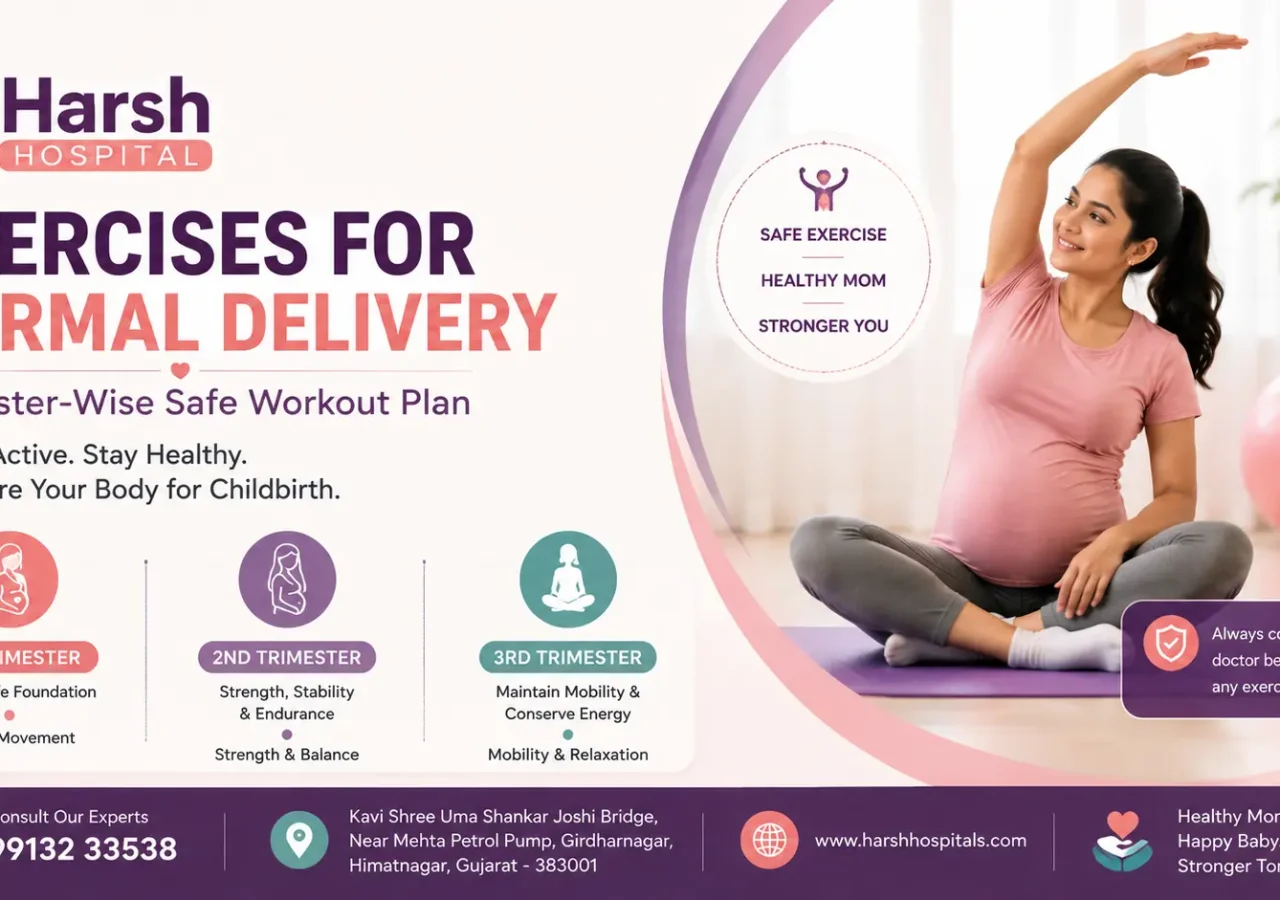
First Trimester: Building a Safe Foundation
Focus on Comfortable Movement
During the first trimester, fatigue, nausea and changes in energy levels are common. Exercises for normal delivery at this stage should usually focus on comfortable movement habits rather than aggressive fitness targets. Gentle walking, low-impact activity and simple mobility work may be suitable for women with uncomplicated pregnancies.
Pregnancy Exercises for Strength and Mobility
Appropriate pregnancy exercises can include controlled bodyweight movements, gentle stretching and walking at a comfortable pace. Women who exercised before pregnancy may continue selected activities with suitable modifications, while those beginning a new routine should progress gradually.
Good posture and controlled breathing can improve body awareness. Exercises for normal delivery should never involve forcing stretches, exercising through pain or continuing when the body is giving warning signs.
Second Trimester: Strength, Stability and Endurance
As the uterus grows, the centre of gravity changes and many women notice differences in posture and balance. Exercises for normal delivery during the second trimester should reflect these physical changes and place greater emphasis on controlled movement, stability and comfortable strengthening.
Pelvic Floor Awareness
Pelvic floor muscle training exercises can help women understand and strengthen the muscles that support the bladder, bowel and uterus. Correct technique matters, and some women benefit from professional instruction when they are unsure whether they are activating the correct muscles.
Pelvic floor muscle training exercises should be performed without pain or excessive straining. Relaxation is also important because these muscles need to coordinate, not simply remain tightened.
Safe Movement and Balance
Safe exercises during pregnancy should take changing balance into account. Walking on stable surfaces, modified prenatal strengthening and supported mobility work may be appropriate, while activities with a high risk of falling or abdominal injury should be avoided.
For many women, exercises for normal delivery in this trimester are most useful when performed consistently at a manageable intensity rather than through occasional strenuous sessions.
Third Trimester: Maintaining Mobility and Conserving Energy
The third trimester may bring pelvic pressure, fatigue, back discomfort and reduced tolerance for prolonged activity. Exercises for normal delivery should therefore become increasingly flexible. Shorter sessions, comfortable walking and gentle mobility may be more appropriate than increasing intensity.
Hip Mobility and Comfortable Movement
Gentle pelvic and hip movements can support mobility and body awareness. However, no exercise can guarantee that labour will begin naturally or that a baby will adopt a particular position.
Pelvic floor muscle training exercises may remain useful when recommended, but women should follow guidance on both contraction and relaxation. Exercises for normal delivery should be adjusted if new discomfort or symptoms develop.
A Practical Trimester-Wise Exercise Approach
| Pregnancy Stage | Primary Focus | General Approach |
| First Trimester | Comfortable activity | Walking, mobility and gradual routine building |
| Second Trimester | Strength and stability | Modified strengthening, posture and balance work |
| Third Trimester | Mobility and energy management | Gentle walking, stretching and shorter sessions |
Exercises for normal delivery should always be adapted to medical history, symptoms and obstetric advice.
Activities That May Need to Be Avoided
Not every form of exercise is suitable during pregnancy. The safest routine depends on the individual, and some women may be advised to modify or restrict activity because of specific medical conditions or pregnancy complications.
- Contact sports and activities with a risk of collision or abdominal trauma.
- Activities with a substantial risk of falling or loss of balance.
- Exercise in excessive heat or conditions that increase the risk of overheating.
- Any activity that causes pain, bleeding, dizziness or other concerning symptoms.
Safe exercises during pregnancy should be selected according to clinical circumstances rather than copied from a generic online workout.
How Exercise Fits Into Normal Delivery Preparation
Exercises for normal delivery are only one part of preparing for childbirth. Regular antenatal visits, appropriate nutrition, rest, hydration, emotional preparation and awareness of labour signs are also important.
Practical normal delivery tips include discussing birth preferences, understanding when to contact the hospital and remaining open to medical recommendations if labour does not progress as expected. A vaginal delivery may still require intervention when that becomes the safest option for the mother or baby.
Women who want to understand available labour pain-relief options can also learn about painless delivery. Pain management and delivery planning should always be discussed individually with the treating obstetrician.
The Role of Antenatal Care in Exercise Planning
Regular antenatal assessment helps healthcare professionals review maternal symptoms, blood pressure, fetal wellbeing and other clinical factors. This information can determine whether exercises for normal delivery remain appropriate or need modification.
For families seeking maternity support close to home, choosing a local normal delivery hospital can help ensure that pregnancy monitoring and delivery planning are coordinated with appropriate clinical care.
Women should not feel pressure to follow the same routine throughout pregnancy. Pregnancy exercises should evolve with changing comfort, energy levels and medical advice.
Exercise and Maternity Care at Harsh Hospital
Comprehensive pregnancy & maternity care includes antenatal monitoring, discussion of symptoms, guidance on healthy activity and appropriate preparation for delivery.
At Harsh Hospital in Himatnagar, maternity care is based on individual clinical assessment. Women can discuss activity levels, exercise concerns and delivery expectations with their healthcare team rather than relying only on general online information.
Plan Your Pregnancy Fitness Safely
If you are pregnant and want to understand which exercises for normal delivery may be appropriate for your trimester and health status, discuss your activity level during your antenatal consultation at Harsh Hospital. Individual guidance can help you stay active while recognising symptoms and clinical situations that require modification.
About Harsh Hospital
Harsh Hospital, Himatnagar, Gujarat, provides obstetric and gynecological care, including antenatal monitoring, maternity services and delivery-related support. The focus is on individual clinical assessment, patient education and appropriate decision-making based on maternal and fetal health.
Normal delivery tips should support informed preparation but should never replace medical supervision. Exercises for normal delivery are most useful when included within a broader plan of regular pregnancy care.
Conclusion
A trimester-wise exercise routine can support mobility, functional strength and general wellbeing during an uncomplicated pregnancy. However, exercises for normal delivery should not be viewed as a guarantee of vaginal birth. Their role is to support physical readiness while respecting the many maternal and fetal factors that influence labour and delivery.
The safest approach is gradual, comfortable and medically appropriate. Exercises for normal delivery may need to change as pregnancy progresses, and new symptoms should always be discussed with a qualified healthcare professional.
With regular antenatal monitoring, sensible activity and informed birth planning, expectant mothers can prepare for childbirth while keeping safety at the centre of their decisions. Harsh Hospital supports women in Himatnagar and nearby areas with professional maternity care based on individual clinical needs.
Frequently Asked Questions
1. What are the best exercises for normal delivery?
The most suitable exercises depend on pregnancy health and fitness level. Walking, gentle mobility and professionally guided strengthening may be appropriate for uncomplicated pregnancies.
2. Can exercise guarantee a normal delivery?
No. Exercise cannot guarantee vaginal delivery because labour progress, fetal position and maternal or fetal health can influence the safest delivery method.
3. Can I begin exercise if I was inactive before pregnancy?
Many women can gradually begin suitable activity, but it is best to discuss a new exercise routine with a qualified healthcare professional first.
4. Are pelvic floor exercises safe during pregnancy?
They may be appropriate for many women when performed correctly. Guidance can help because correct muscle activation and relaxation are both important.
5. What exercises should be avoided during pregnancy?
Activities with a high risk of falling, collision or abdominal injury may not be suitable. Exercise should also be stopped if concerning symptoms occur.
6. How often should I exercise during pregnancy?
The right frequency depends on health, trimester and fitness level. Women with uncomplicated pregnancies can discuss a regular activity schedule with their obstetric care provider.
7. Can safe exercises during pregnancy help with back discomfort?
Appropriate posture, mobility and strengthening may support comfort for some women. Persistent, severe or worsening pain should be medically evaluated.
8. When should I stop exercising and contact my doctor?
Stop exercise and seek medical advice for bleeding, fluid leakage, chest pain, significant dizziness, severe breathlessness or painful regular contractions.