
July 1, 2026 · women's hospital
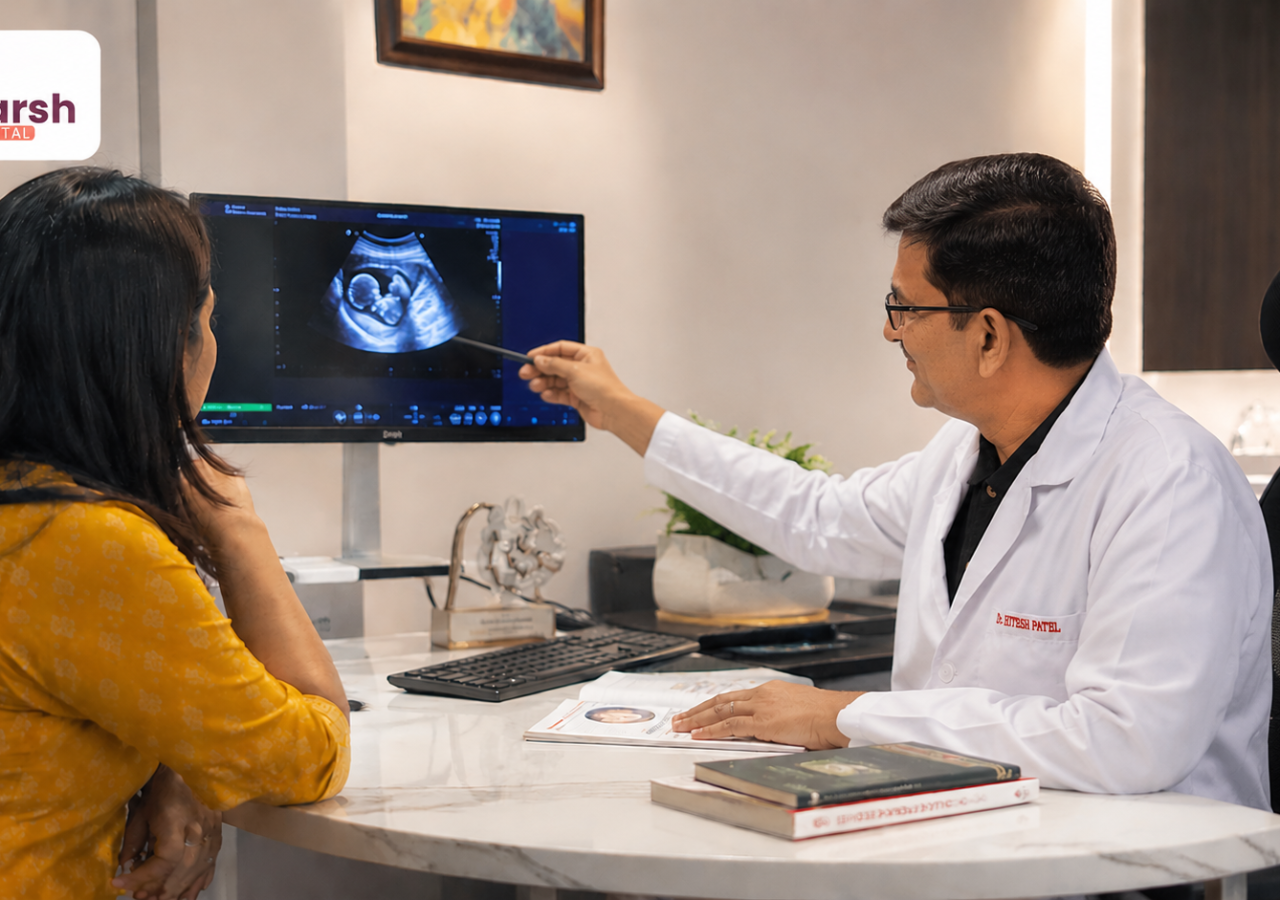
A lot of people still think a women’s hospital only matters when a baby is on the way. That is not true. Women need care at every stage of life, and many of the most common problems start long before pregnancy. A gynaecologist and obstetrician can help a teenager with painful periods, a young woman with PCOS, a mother with heavy bleeding, and an older woman with menopause symptoms. That is why a strong women’s care centre matters so much.
| Quick answer: A modern women’s hospital does much more than pregnancy care. It supports girls and women with periods, hormones, fertility, menopause, screening, minor surgery, and private counselling. At Harsh Hospital, that wider care is easy to see on the main services page and the Appointment page. |
What does a women’s hospital really do besides pregnancy care?
A modern women’s hospital is a specialist place for women’s health across the full life cycle. It brings consultation, diagnosis, scans, treatment, follow-up, and surgery together in one setting. Because of that, women do not have to move between many doctors for connected issues.
The best care starts with listening. A skilled specialist asks about cycles, pain, fertility plans, family history, sleep, weight, and stress. Then the doctor connects the dots. That matters because hormonal problems often hide behind “normal” complaints. A trusted women’s care centre should feel private, calm, and easy to use. It should also make it simple to ask questions without embarrassment.
Why pregnancy care is only one part of women’s health
Pregnancy care is important, but it is only one chapter. Before pregnancy, many women need help with acne, irregular periods, PCOS, pelvic pain, infections, or contraception. During the childbearing years, they may need fertility advice, anaemia treatment, or support after miscarriage. Later, they may need bone care, menopause support, and help with urinary leakage.
This is where a specialist hospital becomes valuable. It gives women a place to handle related problems under one roof. It also saves time, reduces stress, and often leads to better decisions. When a team understands the full picture, it can treat the cause instead of only calming the symptom. That is why many families now prefer a specialised women’s health clinic instead of waiting for symptoms to become severe.
Adolescent health and first period problems
Teenage girls often need medical help earlier than parents expect. Very painful periods, skipped cycles, very heavy bleeding, acne, or sudden weight gain can all point to hormonal imbalance. A kind specialist can explain what is normal, what is not, and what needs testing.
For many families, this first visit matters a lot. It sets the tone for future care. A good women’s hospital does not rush the girl or make her feel awkward. It explains things in simple words and keeps the visit private. In some cases, early advice can prevent years of confusion later. Harsh Hospital offers dedicated Adolescent Gynecology care, which is useful for teens and parents who want clear guidance.
Menstrual problems that should not be ignored
Many women live with cramps, heavy bleeding, or irregular cycles for years. They keep calling it “just bad periods.” In reality, those symptoms may point to fibroids, endometriosis, thyroid trouble, or a hormonal issue. A good women’s hospital checks for the reason instead of only giving pain relief.
A gynaecologist and obstetrician may suggest an ultrasound, blood tests, or hormone testing. After that, treatment can include medicine, iron support, lifestyle changes, or a procedure if needed. The goal is not just to make the next period easier. The goal is to stop the problem from returning again and again. For a closer look at this topic, see our Menstrual Disorders page.
PCOS and hormonal balance care
PCOS affects more than periods. It can affect ovulation, skin, weight, mood, and fertility. Some women also face long-term risks like diabetes and metabolic trouble. That is why PCOS should be managed carefully and over time.
A good women’s hospital will not offer one quick fix and send the patient away. Instead, it will build a plan around food habits, activity, sleep, medicines, and future pregnancy goals. A gynaecologist and obstetrician can also explain how cycle tracking works and when follow-up is needed. Harsh Hospital includes PCOS / PCOD care as one of its core treatment areas, which is exactly what many women need: steady guidance, not guesswork.
Fertility help when pregnancy is not happening
When a couple tries for months and nothing happens, the stress can grow very fast. That is why early fertility advice matters. A women’s hospital can check both partners and look for the real cause instead of blaming one person.
A doctor may recommend ovulation checks, AMH, ultrasound, thyroid tests, and semen analysis. Sometimes the issue is simple and treatable. Sometimes the plan needs more time. Either way, clear testing helps couples stop worrying and start acting. Our Infertility Evaluation page gives a useful overview for readers who want the next step.
Menopause and perimenopause support
Menopause can bring hot flashes, poor sleep, mood swings, vaginal dryness, and joint pain. Some women also notice more anxiety or a drop in energy. These changes are common, but they still deserve attention.
A strong women’s hospital helps women understand what is happening and which symptoms need treatment. A gynaecologist and obstetrician may suggest lifestyle changes, bone support, hormone discussion, or local treatment for dryness and discomfort. The point is not to “just live with it.” The point is to stay well and active. Harsh Hospital also lists a Menopause Clinic among its services, which shows how a women’s-focused setup can support this stage properly.
Preventive screening and yearly check-ups
Prevention is one of the most useful parts of women’s care. A good women’s care centre should offer yearly checks that look at blood pressure, weight, cycle history, breast concerns, cervical screening, and general wellbeing. Many women only come when something hurts. That is too late in some cases.
A women’s hospital helps catch issues early. For example, a simple visit may find anaemia from heavy periods, a cervical concern, or signs of a metabolic problem. Early action usually means simpler treatment. You do not need to wait for a crisis to get checked. See our Annual Women’s Health Check-up page for a clear view of what a routine visit can include.
Family planning and contraception counselling
Contraception should fit the woman, not the other way around. Some women want short-term protection. Others want a long-term method. Some need advice after delivery. Others need help choosing between pills, devices, or barrier methods.
A doctor explains each option in plain language and helps the woman pick what suits her health, future plans, and comfort. A specialist centre also gives a private space for questions that people often feel shy asking. That makes a big difference. When counselling is clear, women feel more in control of their choices.
Laparoscopic and minimally invasive surgery
Not every problem can be solved with tablets. Fibroids, ovarian cysts, ectopic pregnancy, severe endometriosis, and some uterine problems may need surgery. A modern women’s hospital often offers laparoscopic care, which uses small cuts and usually leads to less pain and faster recovery.
This is helpful for women who need to get back to work, home duties, or childcare quickly. It is also useful when a shorter hospital stay matters. Harsh Hospital’s treatment options show how a women’s health clinic can combine consultation, diagnosis, and surgery in one place. That saves time and keeps care more organised.
Pelvic floor health and urine leakage
Leaking urine when coughing, sneezing, or lifting is more common than many women admit. Childbirth, age, and weak pelvic muscles can all play a part. The problem may feel embarrassing, but it is treatable.
The care team can assess the issue and suggest exercises, physiotherapy, lifestyle changes, or a procedure if needed. Early care matters because symptoms often worsen when ignored. A patient should never feel she has to “just accept it.” The right doctor will explain the cause clearly and keep the plan practical.
Sexual health, infections, and private counselling
Women also need help with vaginal infections, abnormal discharge, pain during sex, and STI testing. A private clinic gives room for honest questions and careful examination. That is important because many symptoms look alike.
Itching, burning, dryness, and discomfort can come from different causes. The care team helps sort that out and avoids the guesswork that often delays healing. This is also where counselling matters. Women may need support around safe sex, partner concerns, or simple reassurance. A thoughtful doctor can make these discussions feel normal, not awkward.
Mental wellbeing through every stage
Physical health and emotional health are connected. Stress, low mood, anxiety, fertility pressure, body changes, and postpartum shifts can all affect daily life. A women-focused team should look for these signs early.
A careful clinic may screen for sleep problems, mood swings, burnout, or postpartum depression. Sometimes the right support is medical treatment. Sometimes it is education, rest, and follow-up. Often it is both. A good clinic understands that women do not live as separate “body parts.” They need care that respects the whole person.
Bone health and long-term protection
Bone loss often starts quietly. Women may not notice it until much later. That is why bone care should not wait until old age. Menopause, low calcium intake, low activity, and hormonal changes can all weaken bones over time.
The care team can help with diet advice, vitamin support, exercise guidance, and screening when needed. At Harsh Hospital, Osteoporosis care shows that a women’s hospital can look beyond delivery and support long-term wellbeing too. That broader view is one reason many women stay with the same care team for years.
How to choose the right clinic or hospital
Choosing care should feel simple. Start with the doctor’s experience, then check the facility, the services, and how clearly the team explains the plan. A good women’s health clinic will listen first and rush less.
- Check whether the doctor is a trained specialist in women’s health.
- Look for ultrasound, lab support, and basic procedure facilities.
- See whether the centre covers menstrual care, fertility, menopause, and screening.
- Read reviews for privacy, communication, and follow-up.
- Pick a place where you feel safe asking personal questions.
If you are near Himatnagar, our Contact page and Appointment page make it easy to reach the team.
Why Harsh Hospital fits this wider care model
Harsh Hospital is built around complete women’s care, not only maternity visits. The site shows support for adolescent gynecology, menstrual disorder treatment, infertility evaluation, annual health checks, menopause care, osteoporosis care, laser gynecology, and laparoscopy. That is the kind of range women often need from a modern women’s hospital.
The tone also matters. A women’s health clinic that feels calm, clear, and personal often gets better follow-up. If you want a related read, the Women’s Hospital Guide article is a helpful next step.
Conclusion
A modern women’s hospital should do far more than pregnancy care. It should help with periods, hormones, fertility, prevention, surgery, menopause, and everyday concerns that shape a woman’s quality of life. When all of that is available in one trusted place, care becomes simpler and more effective.
If you are looking for a women’s-focused team in Himatnagar, Harsh Hospital offers a clear example of this approach. Start with the About page, review the treatments, or book through the Appointment page.
FAQs
1. Is a women’s care centre only for pregnancy?
No. It also helps with periods, PCOS, fertility, menopause, screening, surgery, and many non-pregnancy concerns.
2. Do I need a gynaecologist and obstetrician if I am not pregnant?
Yes. A specialist can help with cycles, pain, infections, contraception, fertility, and menopause.
3. What is the difference between a women’s health clinic and a general clinic?
A women’s care centre focuses on female reproductive and hormonal health, so the care is more specific and detailed.
4. Can it treat PCOS?
Yes. It can help with symptoms, cycle control, fertility planning, and long-term risk management.
5. When should I go for a fertility check?
If you have tried for one year without success, or sooner if you are over 35 or have known cycle problems.
6. Are menopause symptoms treatable?
Yes. Many symptoms can be eased with proper advice, screening, lifestyle changes, and medical support.
7. Why do women prefer a specialised hospital for private concerns?
Because it often feels more comfortable, more confidential, and more focused on their specific health needs.