June 18, 2026 · Pregnancy
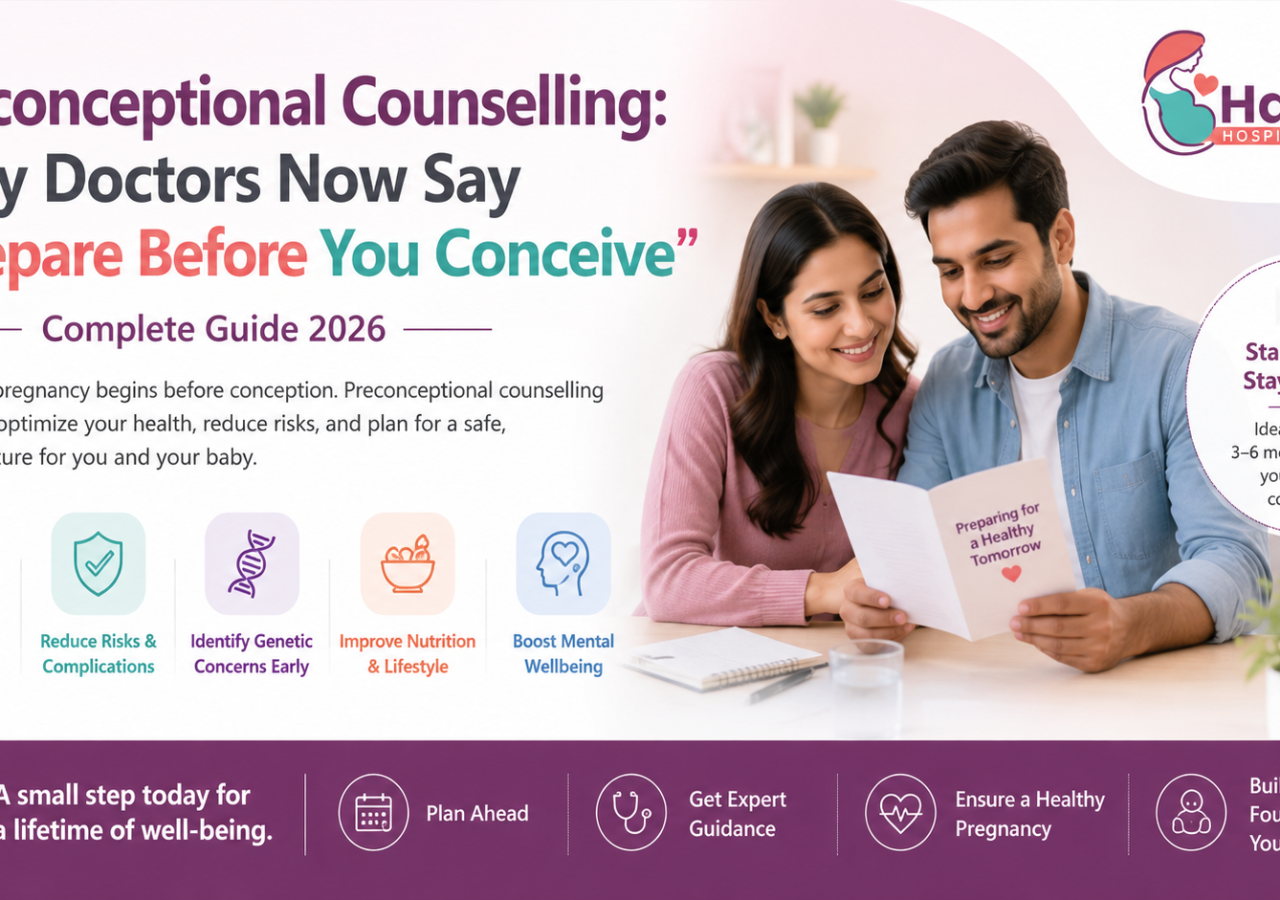
Deciding to have a baby is one of the most significant decisions a couple can make. Yet most people only think about medical care after that positive pregnancy test appears. The truth is, the months before conception matter just as much sometimes more than the months that follow. That is exactly why preconceptional counselling has become a cornerstone of modern reproductive healthcare. It is not a new concept, but it has gained considerable momentum as doctors, researchers, and patients alike recognise how much a well-prepared body and mind can influence the outcome of a pregnancy. If you are planning to start a family, understanding what preconceptional counselling involves and why it matters could be the most important step you take before you ever see a second line on a test.
What Is Preconceptional Counselling?
Preconceptional counselling is a structured medical consultation or a series of them designed to assess and optimise a woman’s (and her partner’s) health before conception occurs. Think of it as a comprehensive pregnancy planning session that addresses physical health, mental wellbeing, lifestyle habits, nutritional status, existing medical conditions, and potential genetic risks.
Unlike a routine gynaecology appointment, preconceptional counselling is forward-looking. It asks: What does this individual need to do today so that when conception happens, both the mother and the developing baby have the best possible foundation?
At Harsh Hospital, Himatnagar, preconceptional counselling is offered as part of a broader commitment to women’s health at every life stage — from the moment you start planning a family, through pregnancy, and well beyond.
Why Has Preconceptional Counselling Become So Important?
The shift in medical thinking is significant. For decades, antenatal care the monitoring that happens once pregnancy is confirmed was considered sufficient. But research has repeatedly shown that the first few weeks after conception, often before a woman even knows she is pregnant, are the most critical for foetal organ development.
By the time most women schedule their first antenatal appointment, the baby’s neural tube has already formed, the heart has begun beating, and many organ systems are taking shape. If there is a nutritional deficiency, an uncontrolled chronic condition, or an environmental risk factor present during those early weeks, the window to address it has already partly closed.
Preconceptional counselling bridges that gap. It ensures that when conception happens, conditions are already optimal — not scrambled together in the first trimester.
There is also the emotional dimension. Couples who undergo prepregnancy counselling report feeling more informed, less anxious, and more in control of their reproductive journey. That psychological preparedness has real clinical value; stress reduction alone has been linked to improved fertility and healthier pregnancy outcomes.
Who Should Consider Preconceptional Counselling?
The straightforward answer is: every couple planning a pregnancy. However, certain groups benefit especially.
Women with chronic health conditions such as diabetes, thyroid disorders, hypertension, epilepsy, or autoimmune diseases should make preconceptional counselling a non-negotiable first step. Many medications used to manage these conditions carry teratogenic risks, meaning they can interfere with foetal development. A doctor needs time to review, adjust, or switch medications to safer alternatives before conception, not after.
Couples with a family history of genetic disorders thalassemia, sickle cell anaemia, Down syndrome, or hereditary cancers benefit enormously from genetic screening and counselling before pregnancy. Knowing your carrier status allows couples to make fully informed decisions.
Women with irregular cycles, PCOS, or previous pregnancy losses also need tailored guidance. If you have been managing PCOS or PCOD, for instance, a dedicated preconceptional consultation helps optimise hormonal balance and build a fertility-friendly treatment plan before trying to conceive.
Couples who have previously experienced infertility or difficulty conceiving should consult a specialist for a thorough infertility evaluation as part of their preconceptional care — identifying underlying causes early saves time, money, and emotional strain.
And yes — this applies to women with no known health issues too. Even a “healthy” woman may have subtle nutritional deficiencies, lifestyle factors, or occupational exposures that a preconceptional consultation can identify and address.
When Should You Start Prepregnancy Counselling?
Timing is one of the most commonly misunderstood aspects of prepregnancy counselling. Most doctors recommend beginning at least three to six months before you plan to start trying to conceive. Some interventions folic acid supplementation, vaccination catch-ups, weight management, or medication adjustments require weeks or months to take effect.
Folic acid is a perfect example. Neural tube defects, such as spina bifida, develop in the first 28 days of pregnancy. Since many women do not discover they are pregnant until after that window, doctors recommend starting folic acid supplementation at least one month before conception — ideally three months ahead. This is a simple, evidence-based intervention that preconceptional counselling ensures happens at the right time.
If you have a condition like Type 2 diabetes, blood sugar control needs to be excellent for several months before conception to reduce the risk of miscarriage and congenital abnormalities. Three to six months gives your care team enough runway to achieve that.
For couples managing menstrual disorders or cycle irregularities, starting early also allows your doctor to map your cycle, identify the fertile window, and address any hormonal imbalances before you begin trying.
How Is Preconceptional Counselling Conducted?
A thorough preconceptional counselling session covers several important domains. Here is what you can typically expect.
Medical History Review
Your doctor will take a detailed history of any existing conditions, previous pregnancies, surgeries, hospitalisations, and current medications. This forms the backbone of your personalised care plan.
Physical Examination and Investigations
Blood pressure, BMI, and a general physical examination are standard. Blood tests typically include a complete blood count, blood group and Rh typing, blood sugar levels, thyroid function, rubella immunity, hepatitis B and C status, HIV screening, and thalassemia carrier status. Vitamin D and iron levels are increasingly checked as deficiencies are common.
Nutritional Assessment
Dietary habits are reviewed, and targeted supplementation is recommended — typically folic acid (400–800 mcg daily), iron, vitamin D, and calcium depending on your individual needs.
Vaccination Review
Rubella and varicella (chickenpox) infections during early pregnancy can cause severe foetal damage. If you are not immune, vaccination can be given before conception — but not during pregnancy. This is another reason starting prepregnancy counselling early matters.
Genetic Counselling
If there is a family or personal history of genetic conditions, carrier testing and genetic risk counselling form a crucial part of the conversation.
Lifestyle Guidance
Smoking, alcohol consumption, recreational drug use, excessive caffeine, and occupational chemical exposures are all addressed. Weight management support is provided where needed, as both obesity and being underweight carry independent risks in pregnancy.
Mental Health Screening
Anxiety, depression, and unresolved trauma can all impact fertility and pregnancy. Acknowledging these early ensures appropriate support is in place.
At Harsh Hospital, Dr. Hitesh Patel takes a patient-first approach to preconceptional consultations — taking the time to listen, explain, and create a care plan that is realistic and personalised, not generic.
How Does Preconceptional Counselling Reduce Pregnancy Risks?
The evidence is clear: preconceptional counselling significantly reduces the risk of several adverse pregnancy outcomes.
Women who receive preconceptional care are less likely to experience neural tube defects, gestational diabetes, preterm birth, foetal anaemia, pregnancy loss, and congenital abnormalities. The impact is even more dramatic in women with pre-existing conditions — studies show that diabetic women who achieve excellent glucose control before conception have miscarriage rates comparable to women without diabetes.
For couples at risk of a high-risk pregnancy, early identification and preparation can be the difference between a complicated delivery and a safe one. Knowing the risks in advance allows both the clinical team and the family to plan, monitor closely, and intervene at the right time.
Prepregnancy counselling also reduces unnecessary anxiety during pregnancy. When couples have already addressed the major risk factors and feel confident that they have done everything possible to prepare, the nine months that follow tend to be experienced with greater calm and trust in the process.
What Role Does the Partner Play in Preconceptional Counselling?
This is a question worth addressing directly, because preconceptional care is not just a woman’s responsibility.
Male-factor infertility accounts for approximately 40–50% of all infertility cases. Sperm health motility, morphology, count is directly affected by lifestyle factors such as smoking, alcohol, heat exposure, obesity, and nutritional deficiencies. A preconceptional consultation should ideally include both partners.
For men, the evaluation may include semen analysis, blood tests for hormonal status, and lifestyle review. Antioxidant supplementation (zinc, selenium, coenzyme Q10) can significantly improve sperm parameters within three months.
Genetic carrier testing is also relevant for both partners — two carriers of a recessive gene have a 25% chance of having an affected child with each pregnancy, and this information is best discovered before conception rather than after.
How Preconceptional Counselling Supports High-Risk Couples
Couples with a history of recurrent miscarriage, previous preterm births, congenital abnormalities, or stillbirth carry understandable fear into subsequent pregnancies. Preconceptional counselling gives these couples a structured, evidence-based path forward rather than leaving them to simply “try again and hope.”
Investigations can identify causes — antiphospholipid syndrome, uterine anomalies, chromosomal translocations, thyroid dysfunction — that, once treated, dramatically improve the chances of a successful pregnancy. For these couples, skipping preconceptional care is not just a missed opportunity; it can mean repeating a preventable loss.
At Harsh Hospital, the team is experienced in supporting couples through normal pregnancy care as well as complex, high-risk situations, always with the same warmth and clinical rigour.
Conclusion
Preconceptional counselling is not an optional extra or a luxury reserved for people with known health conditions. It is smart, proactive healthcare that gives every couple the best possible start on their journey to parenthood. The evidence is consistent and compelling: preparing your body and mind before conception improves fertility, reduces pregnancy complications, and gives your baby the healthiest possible beginning — even before they exist.
If you are planning to conceive in the coming months, the most valuable thing you can do right now is book a preconceptional consultation. At Harsh Hospital, Himatnagar, Dr. Hitesh Patel and the team are ready to guide you through every step — with expert care, honest answers, and a plan designed specifically for you.
Frequently Asked Questions (FAQs)
What is the difference between preconceptional counselling and antenatal care?
Preconceptional counselling happens before you conceive, while antenatal care begins after pregnancy is confirmed. Preconceptional counselling focuses on identifying and addressing health, nutritional, genetic, and lifestyle risk factors so that conception and early foetal development occur under the best possible conditions. Antenatal care then monitors the progress of the pregnancy itself. Both are important, but preconceptional counselling sets the foundation that antenatal care builds upon.
Is prepregnancy counselling only necessary for women with health problems?
No — prepregnancy counselling is recommended for all couples planning a pregnancy, not just those with known health issues. Even women who appear healthy may have nutritional deficiencies, low immunity to certain infections, or lifestyle factors that could affect the pregnancy. A preconceptional consultation is a proactive way to identify and address anything that might otherwise go unnoticed until complications arise.
How early should I book a preconceptional counselling appointment?
Most doctors recommend scheduling your first preconceptional counselling appointment three to six months before you plan to start trying to conceive. This window allows enough time to address nutritional deficiencies, complete vaccination catch-ups, adjust any necessary medications, and implement lifestyle changes that take time to show results — such as achieving a healthy weight or optimising blood sugar control.
What tests are done during preconceptional counselling?
A standard preconceptional assessment typically includes blood group and Rh typing, complete blood count, blood sugar, thyroid function tests, thalassemia carrier screening, rubella and hepatitis immunity checks, HIV screening, and assessment of vitamin D and iron levels. Additional tests — such as genetic carrier panels or semen analysis for the male partner — may be recommended depending on personal and family history.
Can preconceptional counselling help after a miscarriage?
Absolutely. Preconceptional counselling is especially valuable for couples who have experienced one or more miscarriages. It can help identify underlying causes such as hormonal imbalances, clotting disorders, uterine abnormalities, or chromosomal issues that may have contributed to the loss. With the right diagnosis and treatment plan in place, many couples go on to have successful subsequent pregnancies.
Does my partner need to attend preconceptional counselling too?
Yes, and this is strongly encouraged. Male-factor infertility contributes to nearly half of all cases where couples have difficulty conceiving. Lifestyle factors that affect sperm health — including smoking, alcohol, heat exposure, and poor nutrition — can be addressed with targeted guidance. Both partners benefit from genetic screening, and shared involvement in preconceptional counselling tends to improve compliance and emotional preparedness for the journey ahead.
Is preconceptional counselling available at Harsh Hospital in Himatnagar?
Yes. Harsh Hospital offers dedicated preconceptional counselling consultations led by Dr. Hitesh Patel, an experienced gynaecologist and obstetrician. The team provides personalised assessments covering medical history, investigations, nutritional guidance, genetic risk evaluation, and lifestyle support. You can book an appointment online or call 99132 33538 for a same-day consultation. The hospital also offers comprehensive care for related concerns including infertility evaluation, PCOS/PCOD treatment, and high-risk pregnancy management.